
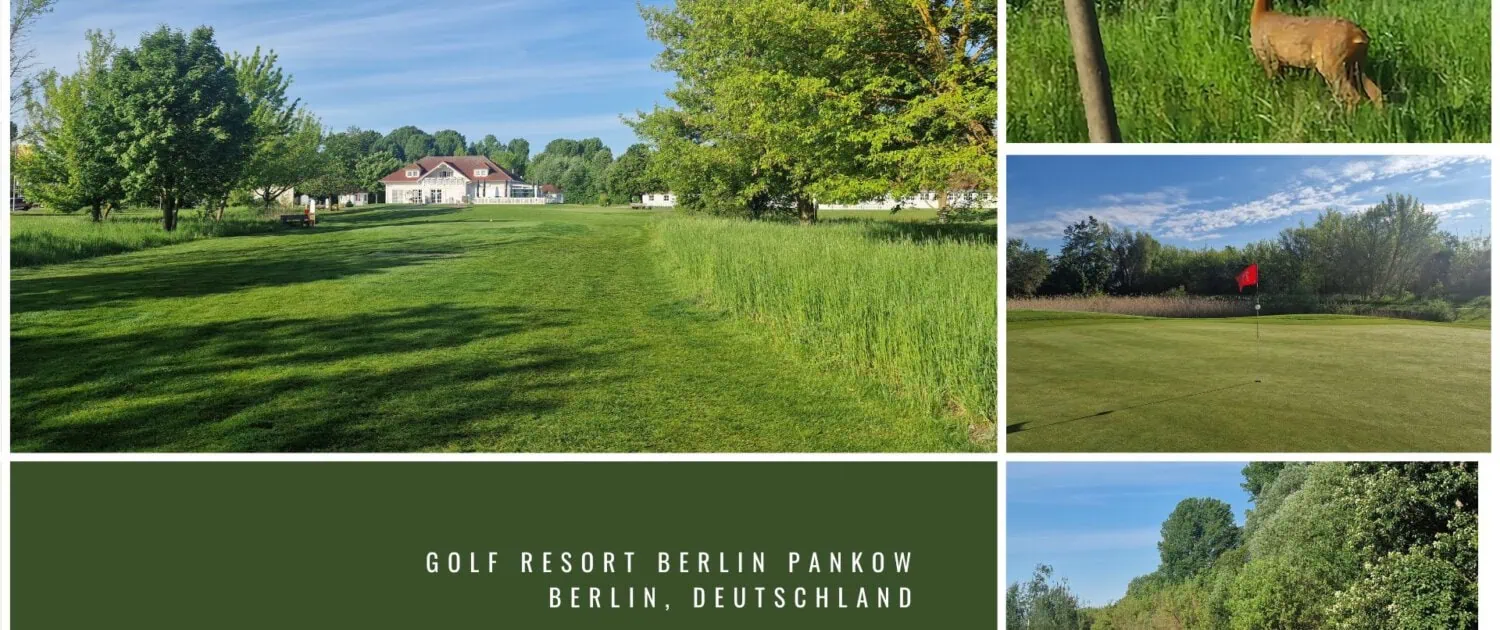
Golf Resort Pankow: In the middle of Berlin – in the middle of nature
Pankow is still quiet at half past six in the morning. The perpetual hum of the big city as a permanent background noise is absent. The only noises on the holes of the Pankow golf course at this time of day are the greenkeeping machines and the birds that share the 27-hole course with two deer that have just settled in the rough between the fruit trees just in front of the clubhouse. It’s idyllic, unexpectedly so.
Golf in the center of Berlin
At first, it sounds like traffic noise, exhaust fumes, a view of the tower blocks or a crowd at the first tee. At half past six in the morning you realize: golf in Pankow is sport in nature. Yes, this golf course is a large sports field, but it is also a 75-hectare open space adjacent to residential areas. A good 15 minutes from Berlin-Alexanderplatz, this is an area that was once agriculture, open mixed land and suburban open space. The site does not exude exclusivity – and that is a good thing, because it is precisely this open character that is responsible for the economic success of the complex.
“I’m a nature person,” says Dr. Rüdiger Umhau, founder and president of the facility. “In the beginning, we planted 3,000 trees, and the number keeps growing.” He came across the former Rieselfeld and fallow land in the north-east of Berlin by chance because a Berliner from the Pankow area was doing a course on a course in Bavaria, which he had also founded. “There are already so many golf courses in Bavaria,” she said to me, he recalls. “There are only two in the center of Berlin.” These were GC Gatow and GC Berlin-Wannsee at the turn of the millennium. Umhau wanted to change that. Because the local authorities in Pankow had no real strategy for the area around 30 years ago, they were open to transforming it into a golf course, which was created in 2004.
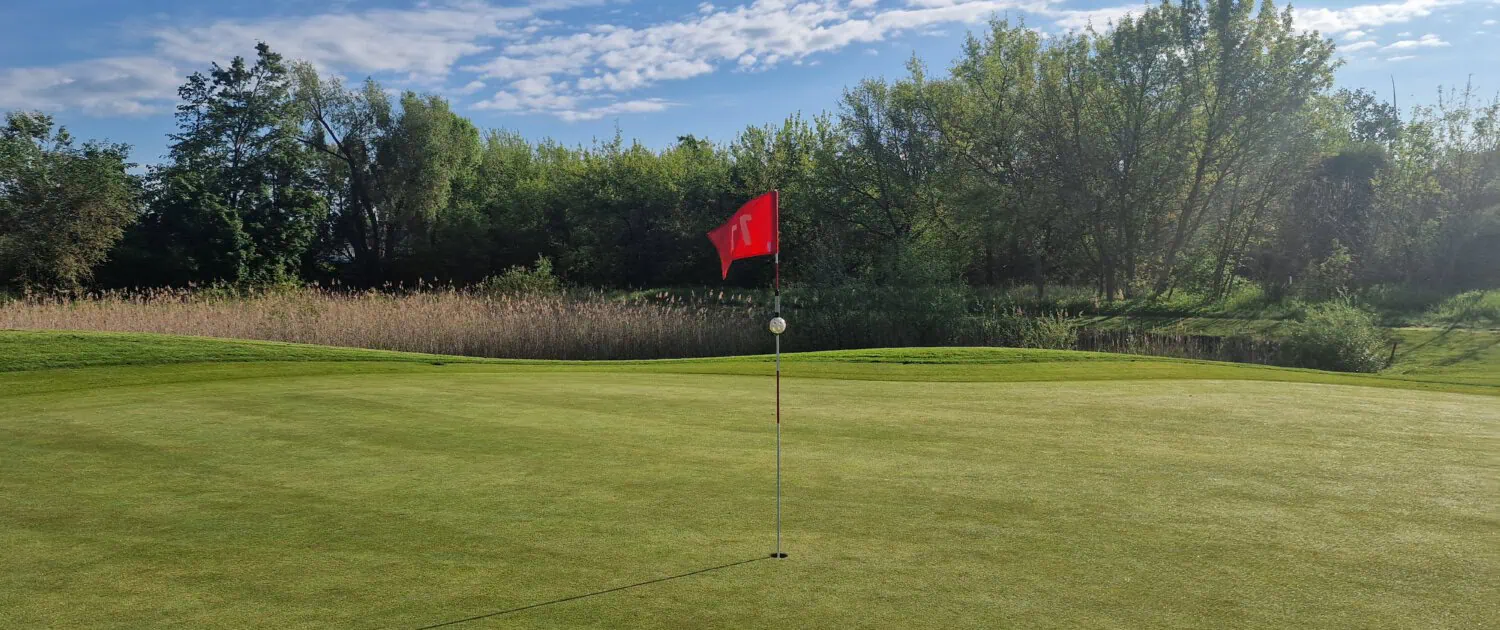
Pankow is a golf course where work was carried out with what was available on the site without moving huge amounts of earth. The small water hazards are former wetlands used to drain the land. The banks have long been beautifully overgrown and dragonflies can be seen here. When there is no rain, the wetlands dry out temporarily. The course, which is irrigated with groundwater and is one of the most economical golf courses in Germany in terms of annual consumption, does not have a problem with the availability of water. “Even during construction, the terrain was too wet rather than too dry,” recalls Managing Director Gabriele Wagmüller.
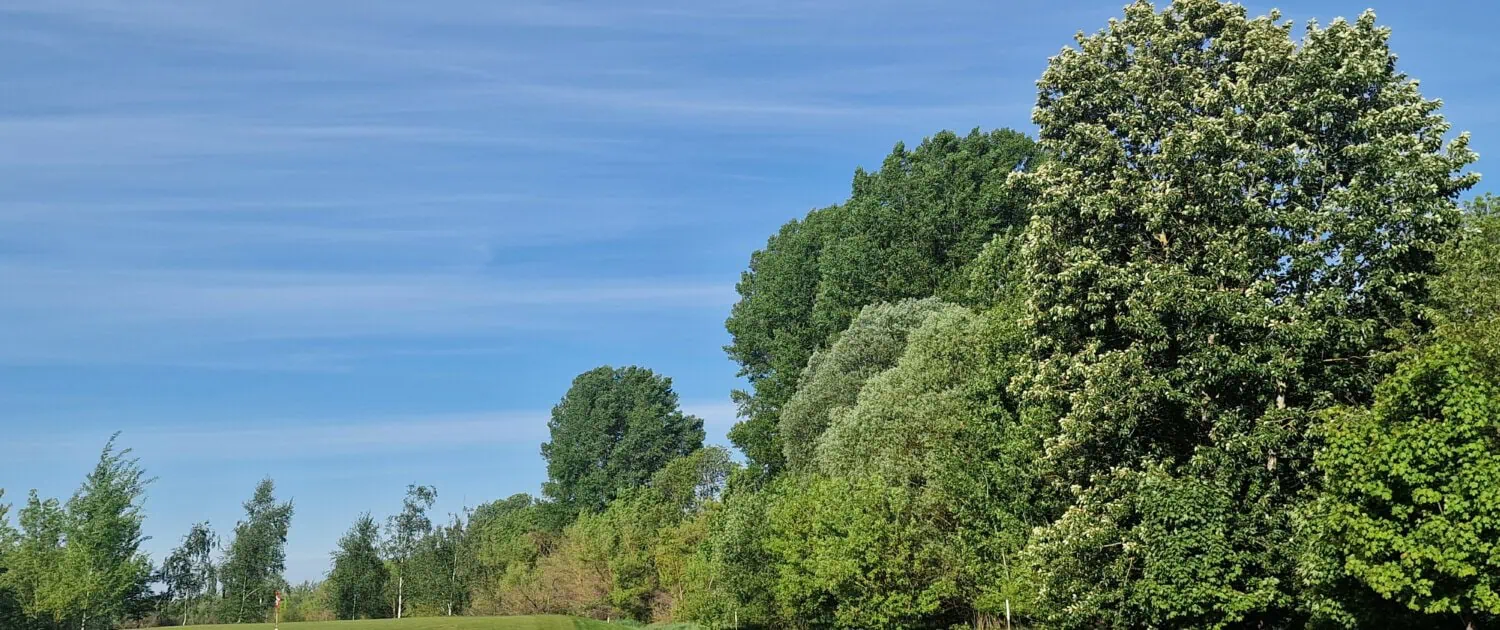
Anyone who takes a closer look at the golf course, whose holes are pleasantly compact across the comparatively flat terrain, will recognize its value for biodiversity. The lush, large hedges are its greatest asset. Dense, wide, varied in structure and beautifully graded in height right up to the fairways, they are a habitat for birds, insects and small mammals. Nature conservation requirements also apply here. The hedges must remain as they are.
The GC Pankow can also score points when it comes to connecting habitats. “Rough is rough,” explains Umhau, immediately putting an end to the common discussion at golf clubs about mowing out the connecting areas between the holes. On the Pankow golf course, the rough is left standing and thus provides nesting areas for breeding birds, which can hide well here. Pheasants can also be seen wandering through these areas. “We want to maintain our golf course in its natural state,” President Umhau makes clear. The compatibility of nature and an economical golf course is important to him.
The openness of the golf course, which does not have tee times and does not charge a driving range fee, ensures that it is constantly busy with golfers from the immediate vicinity as well as green fee players who want to play golf in an uncomplicated way close to the city. For some of them, the golf course also offers a green area to let off steam, which provides shade and a chance to cool off in the hot summer months thanks to the tall trees.
No, the golf course cannot yet boast any major concepts relating to nature and the environment, certificates or partnerships. But its added value for nature is still recognizable: well over a hundred golfers a day play their rounds here. Customers from all walks of life, of all ages and genders come together here. What unites them in the end is a hobby in the countryside. Sometimes they play past orchard trees, sometimes dead wood. Sometimes there are reeds in the way, sometimes a few ducks waddle past. Golf in Pankow means sport in the center of Berlin, but also a constant encounter with the topic of biodiversity. Live and distorted. And not just at seven in the morning.
INSERT_STEADY_NEWSLETTER_SIGNUP_HERE




 Biodiversity lexicon Vegetation connectivity