
Trump’s new ballroom causes environmental problem at East Potomac Golf Links
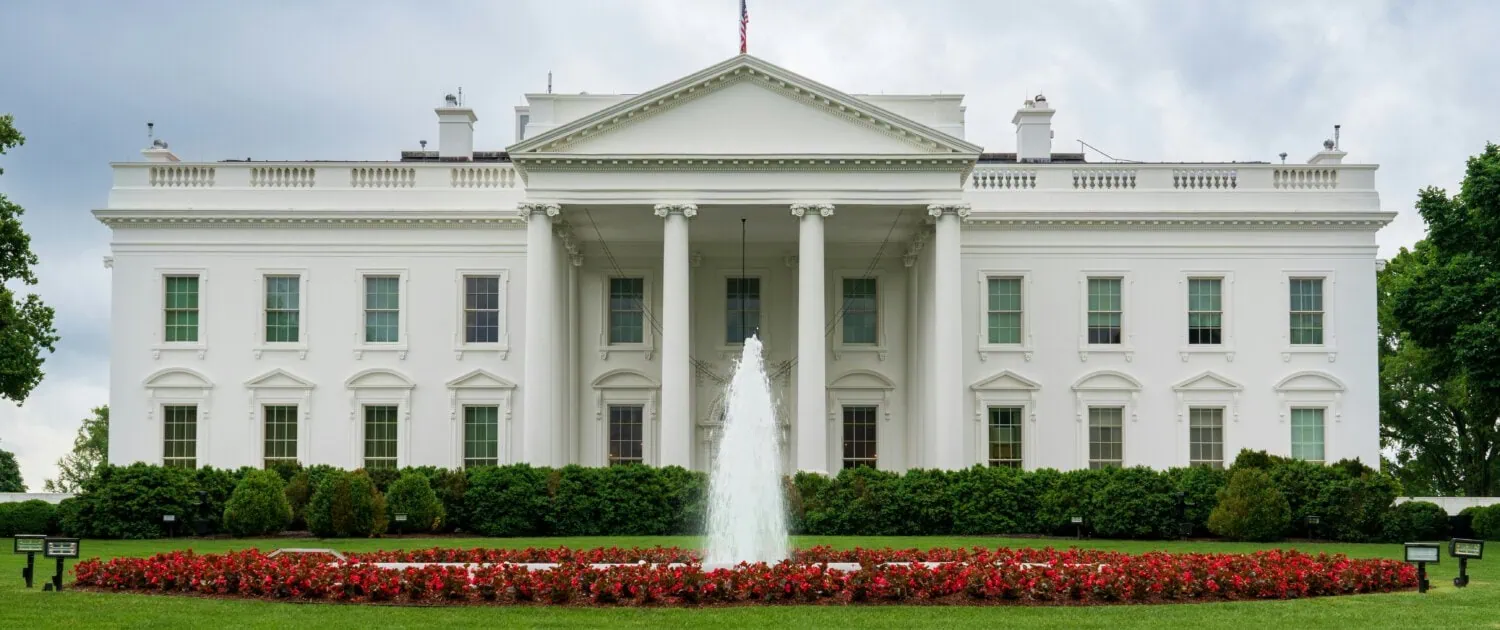
The demolition of the East Wing of the White House in Washington is now also causing environmental problems at the East Potomac Golf Links public golf course in Washington D.C.. Construction debris from the demolition of the building was dumped on the grounds of the golf course last year, and soil samples published by the National Park Service now indicate contamination with lead, chromium and other potentially harmful metals, according to a report in the New York Times.
The golf course, which is over 100 years old, is in a prominent location near the Jefferson Memorial and is considered one of the most famous public golf courses in the US capital. Generations of players have used the course with its view of the city’s monuments at comparatively low green fee prices.
According to the National Park Service, the test results that have now been published show comparatively low concentrations of the pollutants in the soil. Nevertheless, the publication intensifies the debate about the government’s decision at the time to dispose of truckloads of soil, reinforcing steel, plaster residue and other demolition material on the site.
Preservationists and environmental groups, who have already filed a lawsuit against the dumping of the material, are particularly critical of this. The non-profit organization DC Preservation League argues that the measure was unlawful and could have created risks for golfers, local residents and wildlife.
Norm Eisen, chairman of the Democracy Defenders Fund, which supports the plaintiffs, said, “We knew that the demolition of the East Wing and the changes to East Potomac were legally toxic; now we know they’re environmentally toxic as well.”
However, the United States Department of the Interior, which includes the National Park Service, rejects the allegations. Spokeswoman Katie Martin said in a statement: “The soil was tested, multiple times by multiple parties, and this project passed all standards set by law.” And: “All of the findings are available online.”
The new data comes from an interim report by Jacobs Engineering Group, which was commissioned by the National Park Service to take numerous soil samples from the site and have them analyzed by an independent laboratory. The initial results relate to 30 samples taken between October 28, 2025 and April 2.
According to the standards of the US Environmental Protection Agency (EPA ), none of the samples exceeded the limits for lead at industrial and commercial sites. However, some values were above the stricter guidelines of Californian authorities. In addition, many scientists point out that there is basically no safe level of lead in the environment.
“Lead is one of the most toxic elements we know of”
Joseph G. Allen, Professor of Exposure Science at the Harvard T.H. Chan School of Public Health, was clear: “There is no safe level of exposure to lead; it is one of the most toxic elements we know of.” Particularly problematic is the fact that contaminated soil is not only found outdoors. “We track it on our shoes. So, depending on where the soil was placed, golfers and other people could track it indoors.”
High levels of lead exposure can cause serious health consequences, particularly in children, including developmental disorders, learning difficulties and seizures. In adults, chronic exposure is associated with high blood pressure, kidney damage and memory and concentration problems, among other things.
Elevated chromium levels were also detected in individual soil samples. According to the interim report, however, asbestos could not be detected in the samples tested so far. However, some samples were inadvertently not tested for asbestos or could not be analysed because the transport containers were damaged.
In addition to the first 30 samples, a further 14 soil samples were taken at the end of April. The results of this second round of tests are not yet available.
Public golf course to make way
In parallel to the environmental debate, the future of the course itself is at the centre of attention. According to the report, Donald Trump is planning a comprehensive conversion of the traditional course into a championship course. This could mean the end for the inexpensive, public golf course.
The controversy surrounding East Potomac is an example of how closely golfing issues are now linked to topics such as environmental compatibility, public access, urban development and social responsibility. Public golf courses, in particular, are increasingly under scrutiny when interventions are made in natural and urban spaces or when ecological risks are involved.