Biodiversity lexicon: G for grassland
Grassland – you often come across this term in the golfing environment when dealing with the authorities and discussing the type of golf course areas in approval procedures. Anyone who thinks the word only refers to agriculture is mistaken. What exactly does it mean? Not all grassland is the same: the type of use has a significant influence on which plant and animal communities can thrive.
In agronomy, i.e. agricultural use, grassland is usually managed as pasture or mown meadow. The focus here is on the production of fodder plants. However, intensive use – frequent mowing, fertilizing or grazing – leads to species-rich meadows becoming monotonous grasslands. Where dozens of flowering plants used to attract insects, efficient grasses now dominate.
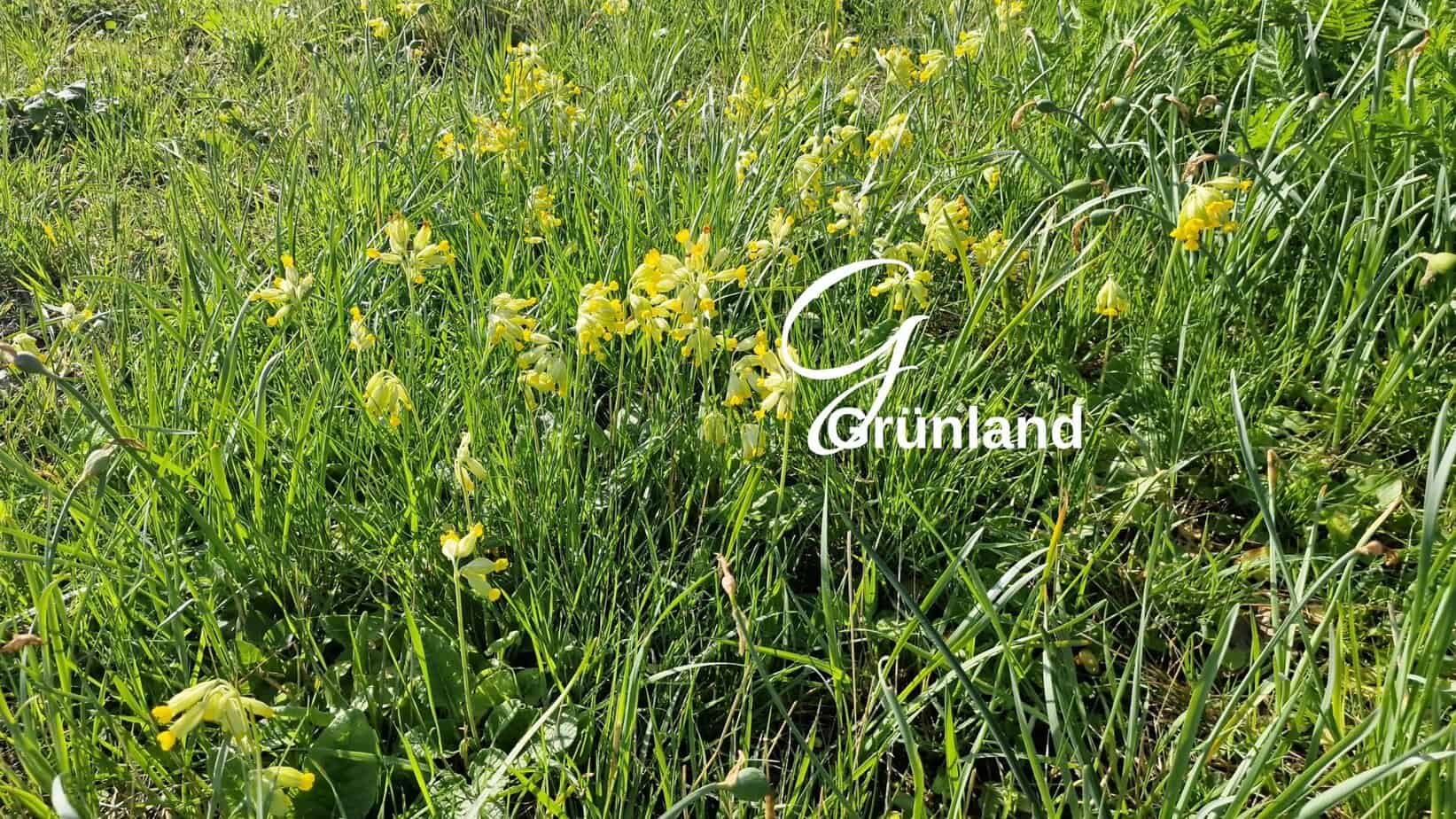
Golf courses, on the other hand, are a special form of grassland. Due to their large areas, many different structures such as ponds, sand bunkers and copses, they are much more diverse. Extensively managed grassland can be found here at many golf clubs in the roughs, which are rarely mowed and receive little fertilization. Over 50 plant species per square meter can be found here.
And then there are the public outdoor areas: Parks, roadsides and fallow land are also grassland. Here, as in the rough on golf courses or in farmers’ meadows, management determines whether biodiversity can develop or not.
INSERT_STEADY_NEWSLETTER_SIGNUP_HERE