Austria’s Burgenland as a pioneer in sustainable tourism
Europe’s golf scene had big dreams when the borders to the east fell. In Germany, a 73-hole course was built at Golfland Flesensee in Mecklenburg-Vorpommern, the construction of which benefited greatly from EU subsidies. In Austria, a 45-hole course was also built in Stegersbach near the Hungarian border. And because Austria, the land of mountains, likes to copy successful models from ski tourism, the product was named the Stegersbach golf swing in reference to all the ski swings in the country. It may not be as alpine here in the hinterland of Graz as it is in Tyrol, but from a purely golfing point of view, you can definitely say: yes, it is hilly.
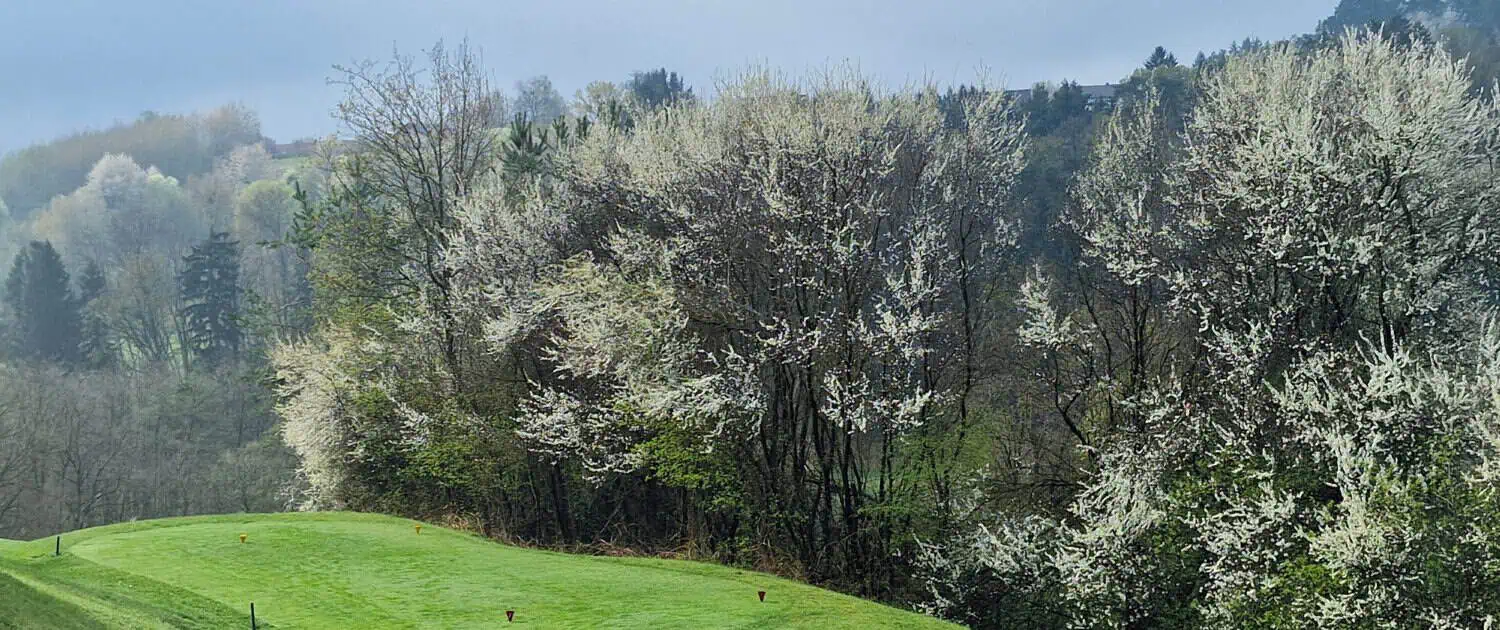
Almost forty years later, the dreams that people in Flesensee and Stegersbach had about the potential attraction of golf resorts have given way to reality. In Burgenland, where around 2.3 million overnight stays were recorded in the summer of 2025, those responsible for tourism are no longer focusing on large-scale projects but rather on the region’s unique characteristics. The hype of Tyrol, where over 23 million tourists flocked to the mountains, lakes and leisure facilities in summer, is far, far away here. The chic concept of remoteness has a real face here.
“It’s nice to see that someone is interested in us here in southern Burgenland,” says the man who built one of the most successful hotels in Tyrol with the Posthotel in Achenkirch and played a key role in shaping Austria’s wellness tourism. Karl Reiter sits with his wife Nikola at a long conference table in the 5-star resort Reiters Supreme in Bad Tatzmannsdorf and philosophizes a little about what holidaymakers need these days: “Honesty, reliability, that’s what we want to deliver.” Actually, he doesn’t think his hotel needed a certificate for this. But now he has it, the Austrian Environmental Certificate. As has the whole of Burgenland since mid-2025.
It is the first province in Austria to be awarded this environmental seal across the board. 171 municipalities have agreed to the sustainability process. This is surprising when you consider that the very term “sustainability” is often regarded politically as part of a left-green vocabulary and is not appreciated by every mayor. “We completed the certification at record speed in 14 months and created three and a half extra staff positions,” says Didi Dunkel, Managing Director of Burgenland Tourismus, explaining the process at the office. 119 sustainability criteria had to be checked and 63 were mandatory. “A huge amount of paperwork,” sums up Nikola Reiter, who completed the procedure at hotel level.
Away from the mainstream
And now? What’s the point? The Austrian Environmental Certificate is a gift for the region and its golf courses. At last, the tranquillity of the region, its small-scale nature, the fact that it produces more renewable energy than it consumes, is worth something. Being non-mainstream is suddenly a positive thing. Even among golfers. After all, they have already learned during the coronavirus pandemic that it can be helpful if hordes of golf groups don’t crowd onto courses every eight minutes and open-air bars in front of the Ischgl-style clubhouse become unpleasant virus hotspots.
But who cares about certificates, you might object at this point. After all, there are so many and which one can you trust? The Austrian Environmental Certificate is considered to be of high quality because it is based on the standards of the Global Sustainable Tourism Council. Does a guest care about that? “Actually, almost no one cares,” says Wolfgang Eder, mayor of the municipality of Burgauberg-Neudauberg and an active golfer on the 45-hole course in Stegersbach, which borders his municipality. But he has heated Landhaus Eder with geothermal energy from the very beginning and his wife Barbara has been working her way through the paperwork and environmental certification requirements at regular intervals for more than ten years. Simply because they think “that’s a good thing.”
Yes, the tourism professional Didi Dunkel also wants to promote golf in terms of sustainability. The course operators themselves know that the golf courses, which were often built too quickly and without professional input in the initial euphoria of the opening of the border and thanks to EU subsidies, do not make it into Austria’s top ten from an architectural point of view.
You are unlikely to meet hardcore golfers in Burgenland. However, guests who prefer to slow down, enjoy excellent regional cuisine and an authentic vacation experience without a lot of hustle and bustle will. The region is already breaking new ground when it comes to the difficult issue of mobility: guests travel free of charge by train from Graz or Vienna and are picked up at the station by cab. Those who do not live directly on the golf course can order the mobile cab service, which is also included in the guest card.
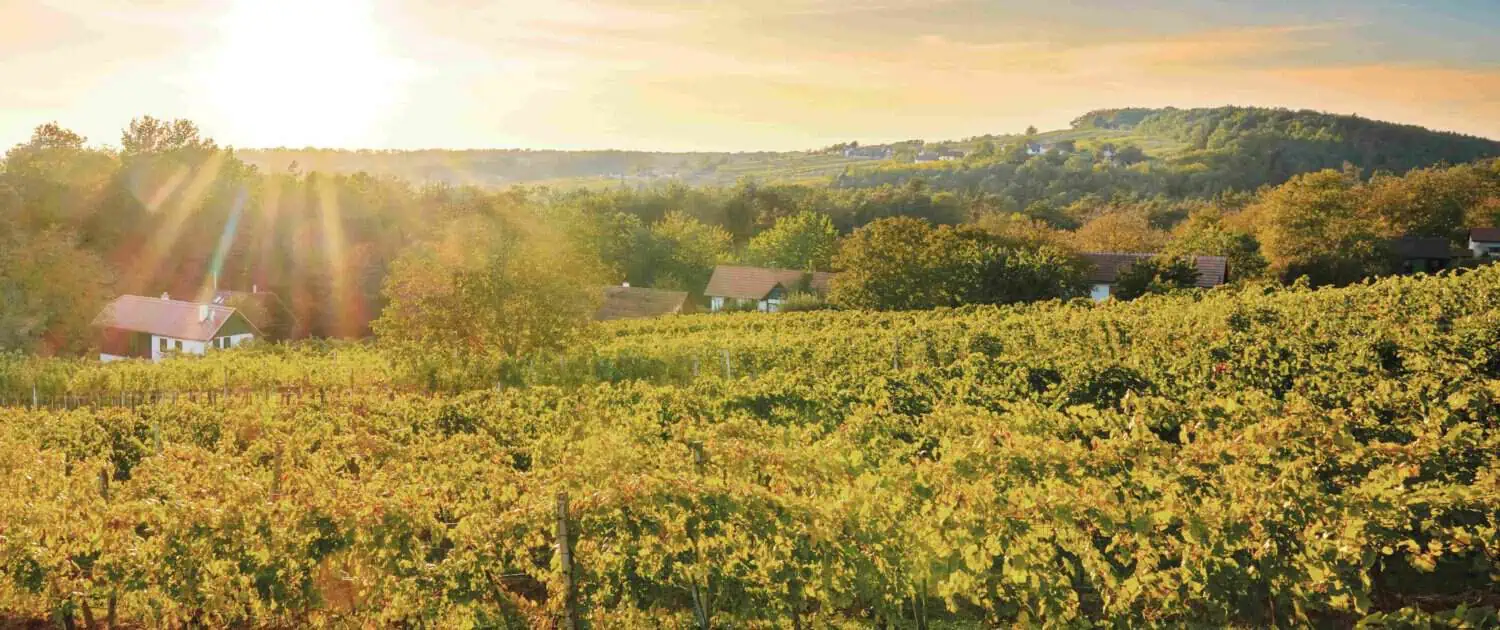
This form of individuality enables vacations that are different from the classic golf package: a few days in one of the tiny winegrowers’ cottages on the Csaterberg, for example, some of which are now rented out. A pile of books, hiking boots and golf shoes, perhaps a bicycle and the vacation is set.
Golfing in Burgenland is different, of course. It is definitely not a mass event. It leaves room for individual decisions, free time management. Finally, according to tourism experts in the region, Burgenland is number 1 for once, a pioneer in Austria. “You sleep well here, you eat well here and you relax. That’s enough,” says Karl Reiter. With over 50 years of experience in tourism, he should know.
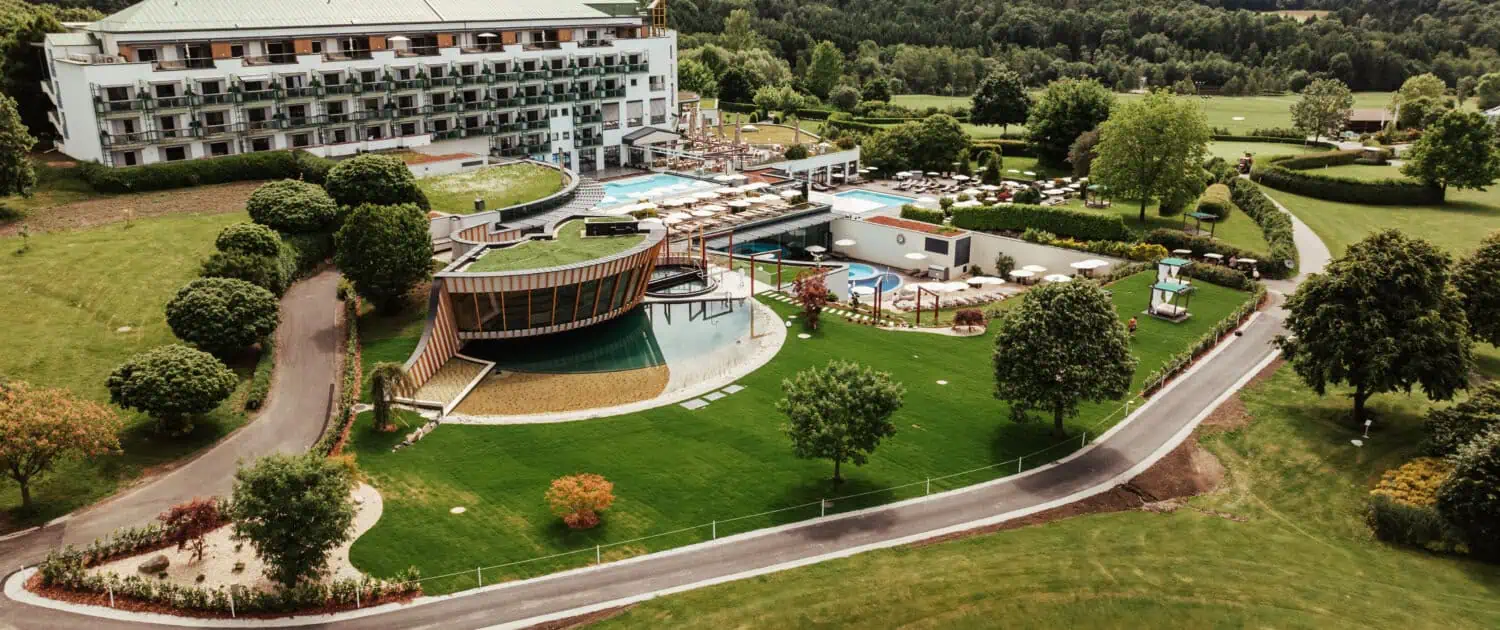
Reiters Supreme Bad Tatzmannsdorf
The Adults Only Reiters Supreme has been awarded the Austrian Environmental Certificate and stands for luxury vacations in an adults-only resort. The owner family Reiter cultivates 130 hectares of land in a special way. The focus is on a holistic approach to sustainability: the family-run hotel pursues ecological, economic and social goals in equal measure.
A central component is the extensive self-sufficiency: Meat comes from the hotel’s own farm, many foods are homemade – from bread to ice cream – and consistently selected according to criteria such as regionality, seasonality and organic quality.
The nature around the resort is also actively protected and promoted:
- Own (partly organic) farm with species-appropriate animal husbandry
- Beehives, orchards and herb gardens
- Shelters for birds and insects through targeted planting
- Sustainable water management, for example for irrigating golf courses
This is complemented by measures such as reduced CO₂ emissions, economical energy and water consumption and minimized use of chemicals. More info here
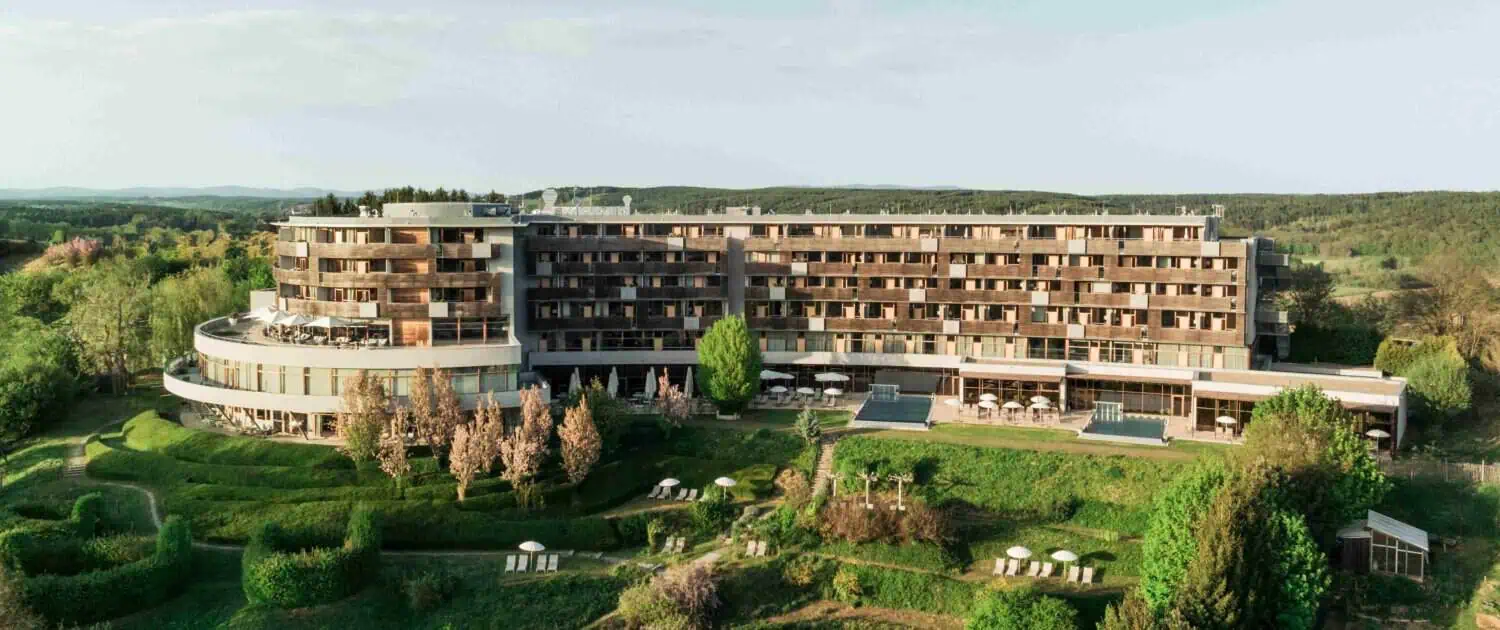
Falkensteiner Balance Resort Stegersbach
The adults-only resort pursues a clearly structured sustainability approach. The centerpiece is the 5,000 m² permaculture garden, which is cultivated according to ecological principles and provides fruit, vegetables, herbs and honey for the hotel kitchen. The cuisine consistently follows the rhythm of nature: seasonal, regional and increasingly plant-based, for example with “garden-to-table” concepts or vegan gourmet weeks.
The hotel also focuses on sustainability in technical terms:
- CO₂-neutral operation thanks to photovoltaics, district heating and green electricity
- Consistent waste separation and reduction of food waste
- Promotion of sustainable travel (e.g. assumption of costs for bus travel)
The Stegersbach golf course is located directly in front of the resort – the largest golf course in Austria with 45 holes on 190 hectares. It includes two 18-hole courses, a 9-hole family course and two driving ranges. The golf courses are excellently maintained, but some of them are situated in very hilly terrain. Cart driving is highly recommended.
The central offer is the “Golf Unlimited” package: It starts at 500 euros per room and night. More information here.
The gastro tip
Regional and local products, prepared in a family business – anyone who appreciates this should visit the three-toque restaurant Csencsits, which enjoys a high reputation among Viennese and Graz gourmets. The traditional restaurant is actually a real “star candidate”. What’s more, the owner family is currently building suites in the building, which can then be booked by holidaymakers. More information on menus, prices and opening times can be found here