
Four Invasive Species That Golf Clubs Need to Know About
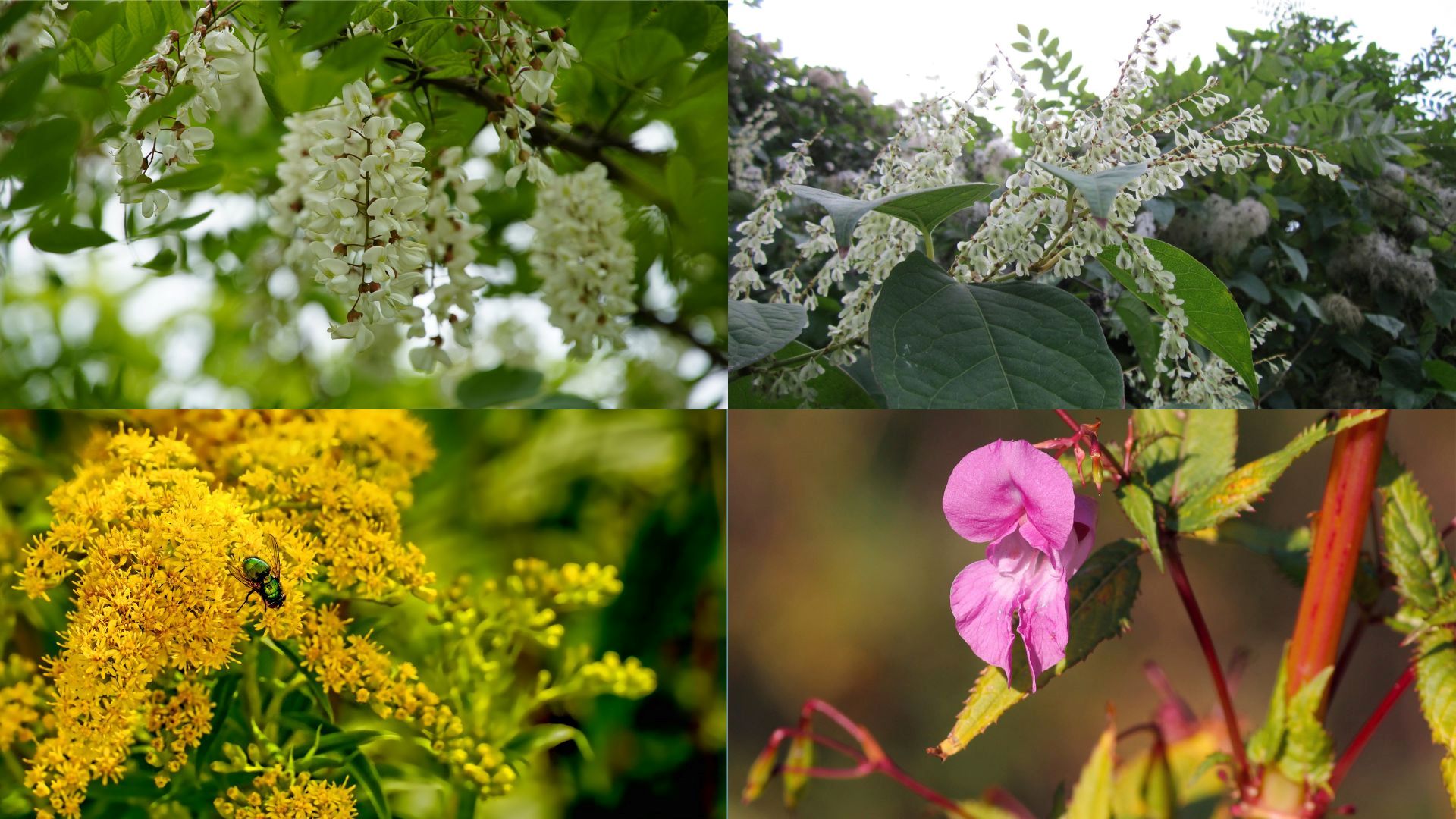
They look beautiful, but appearances can be deceiving. Whether it’s Canadian goldenrod or Indian balsam – what many golfers consider a real asset to the golf course is, in reality, an invasive species that must be controlled urgently. The German Federal Agency for Nature Conservation has identified 45 invasive species in its latest classification. The most significant are Indian balsam, Canadian goldenrod, and Japanese knotweed. In Bavaria, black locust is also a concern, according to the 2024 Red List published by the Bavarian State Office for Environmental Protection.
Why are invasive species a problem?
Dagmar Blacha of the Landesbund für Vogelschut, who advises the Bavarian Golf Association’s golf courses on behalf of the project “Blühpakt on biodiversity, illustrates the difference between invasive species and native plants using the hawthorn as an example: “This shrub is simply wonderful. Hundreds of insects and small organisms depend on it and live off it.”
According to Blacha, native plants and animals have coevolved and adapted to one another over millions of years. This has given rise to very specific interdependencies—many native insects and small organisms depend directly on very specific native plant species for their survival. Invasive species are therefore much less popular as food—and, as a rule, are also chewed on far less. The leaves of the cherry laurel usually look pristine because they aren’t nibbled on by insects. To promote biodiversity on golf courses, regional species must therefore be planted and supported.
What to do about invasive species?
“We absolutely must tackle invasive species on golf courses,” agrees Dr. Gunther Hardt, head of the German Golf Association’s Biodiversity Working Group. “At the very least, the most important, large areas on golf courses must be kept free of them.” This is not always an easy requirement to meet, because, for example, Indian balsam spreads extremely quickly, and the greenkeeping team often struggles to keep up with controlling it.
“In many cases, golf courses could mow earlier to ensure that the plant doesn’t go to seed,” Blacha recommends. It is important, however, that the mowed plants be disposed of at a waste-to-energy plant. Hardt also points to member initiatives. After a brief briefing by the greenkeeping staff, a dozen volunteers can make a big difference in just half a workday by removing plants and their root systems.
Overseeding prevents further spread
Golf courses that have taken on invasive species and cleared large areas of them should not, however, simply leave those areas bare. “Now that it’s fall, you should reseed with regional seeds,” recommends Prof. Dr. Johannes Kollmann, head of the Chair of Renaturation Ecology at the Technical University of Munich. It is important that the seeds be suited to the site, the soil, and the light conditions.
Taking Stock as the First Step
According to Dagmar Blacha, anyone responsible for a golf course who wants an initial overview of the invasive species present should carry out an on-site inspection with an expert, for example from the LBV. “This gives you an overview of the areas and allows you to decide how to proceed.” The rapid rate at which these species spread requires a clear strategy; otherwise, the plants will soon become overabundant.
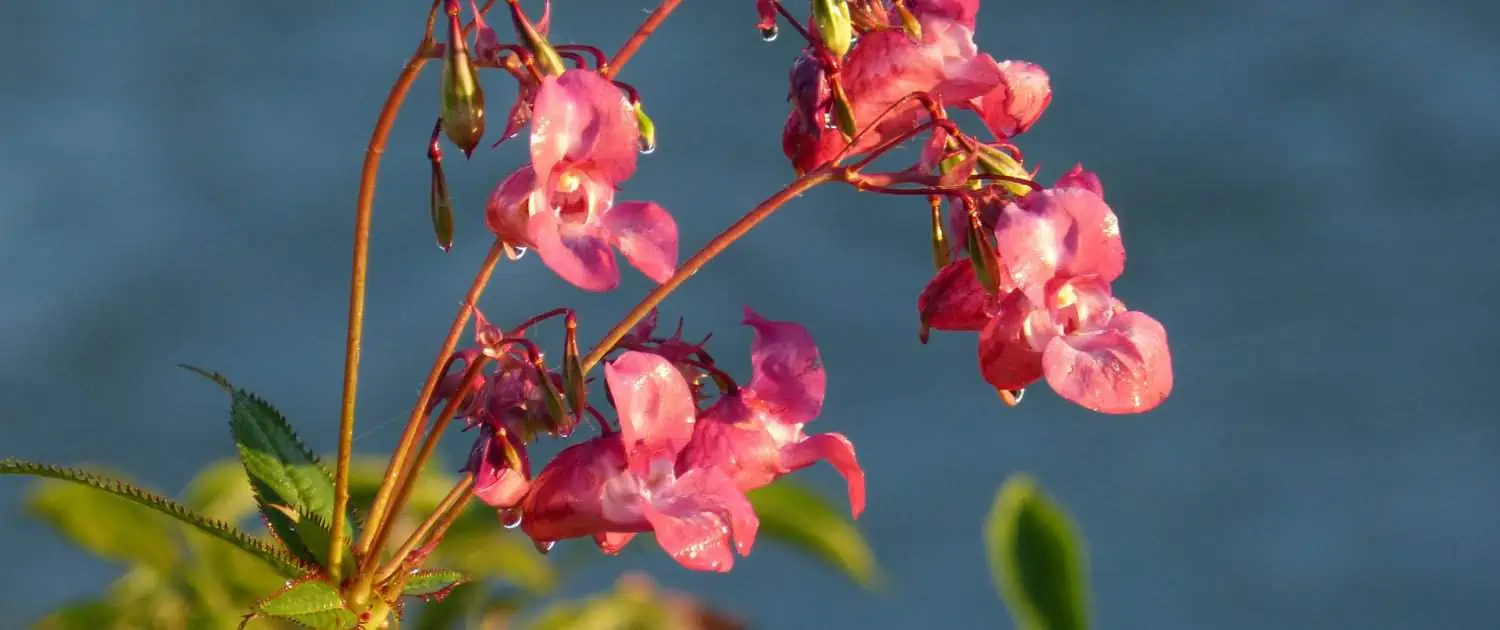
Glandular Impatiens
Glandular impatiens has now spread to virtually all suitable habitats throughout Germany. On golf courses, it tends to grow along the edges of bodies of water and in damp areas. It is relatively easy to pull up because its root system is not very extensive.
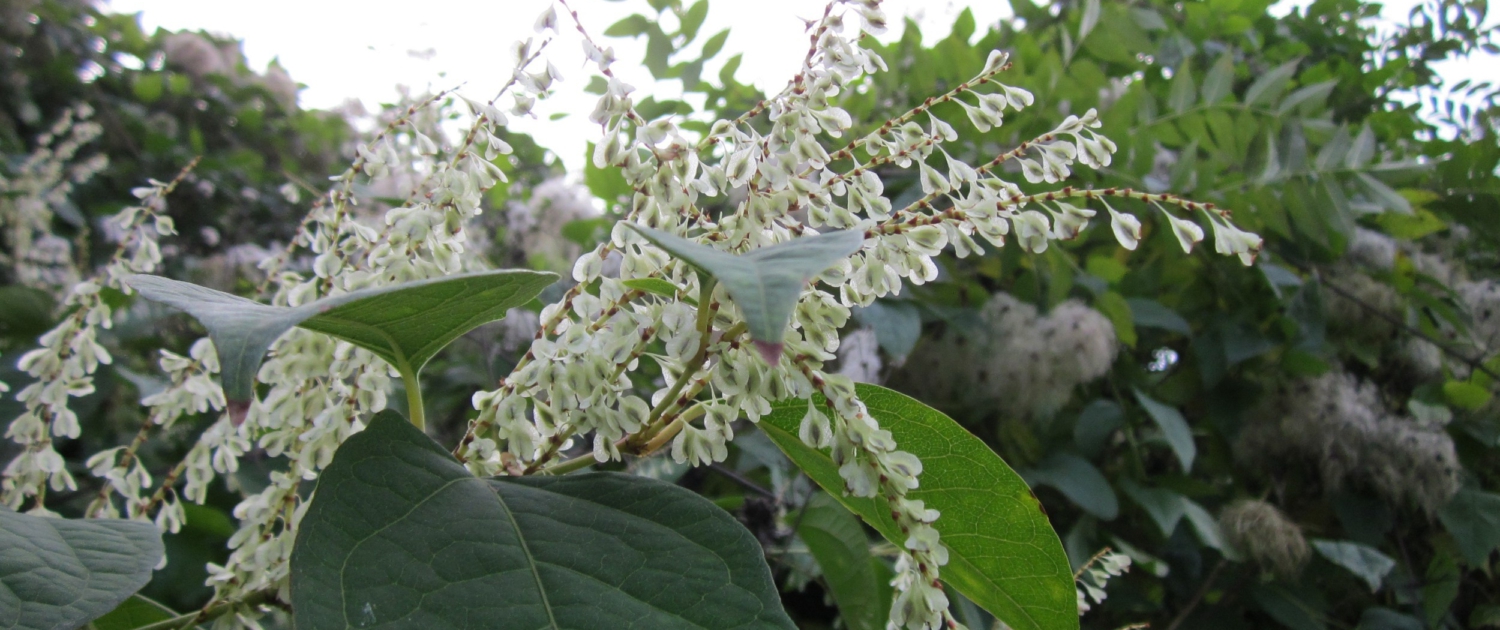
Japanese knotweed
Japanese knotweed is widespread and spreads via rhizomes. Even the smallest pieces of rhizome can help the plant colonise new areas. This makes controlling it more difficult, as the entire root system must be removed over a large area.
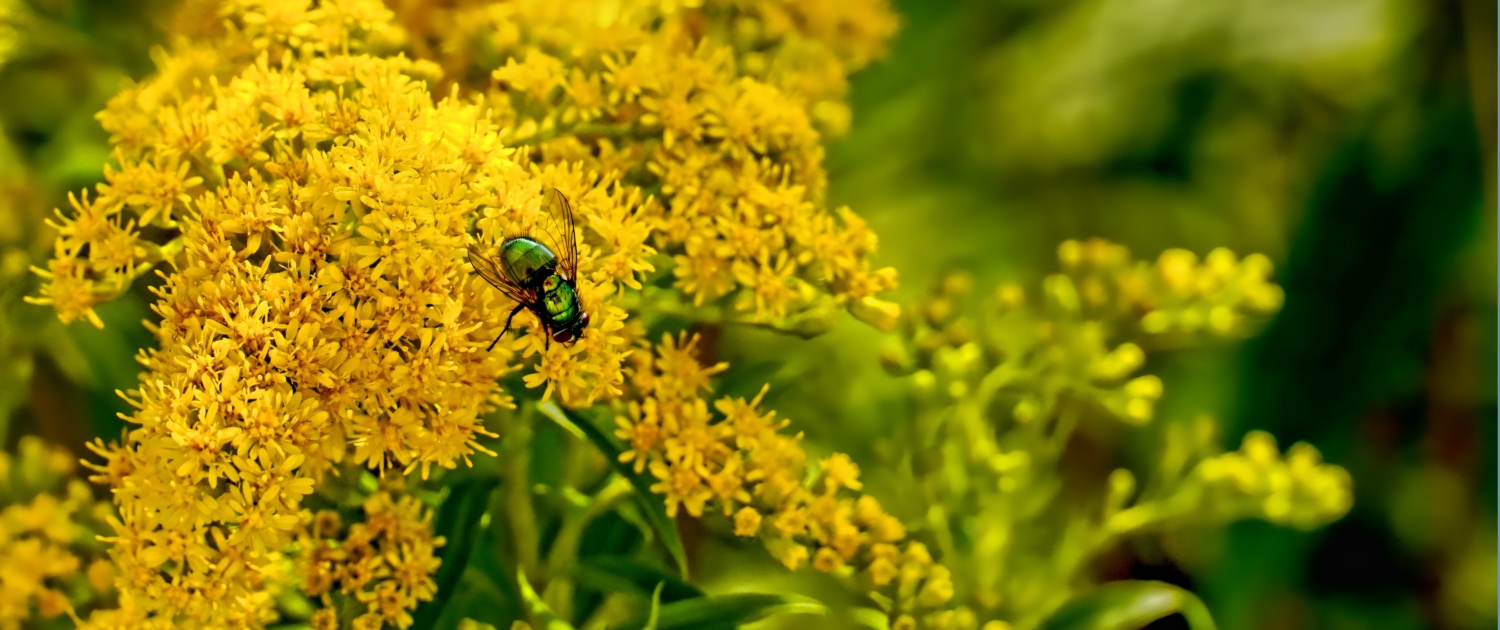
Canadian goldenrod
Canadian goldenrod forms rhizomes and produces a great many seeds. As a result, it quickly forms dense stands and crowds out less competitive, light-loving native plants. Here too, the rhizomes must be removed.
Robinia
The black locust, originally from North America, thrives in sunny, nutrient-poor locations. However, it is difficult to control because its root system is very strong and it produces many suckers. Simply sawing or cutting it back is counterproductive, as this only strengthens the roots.
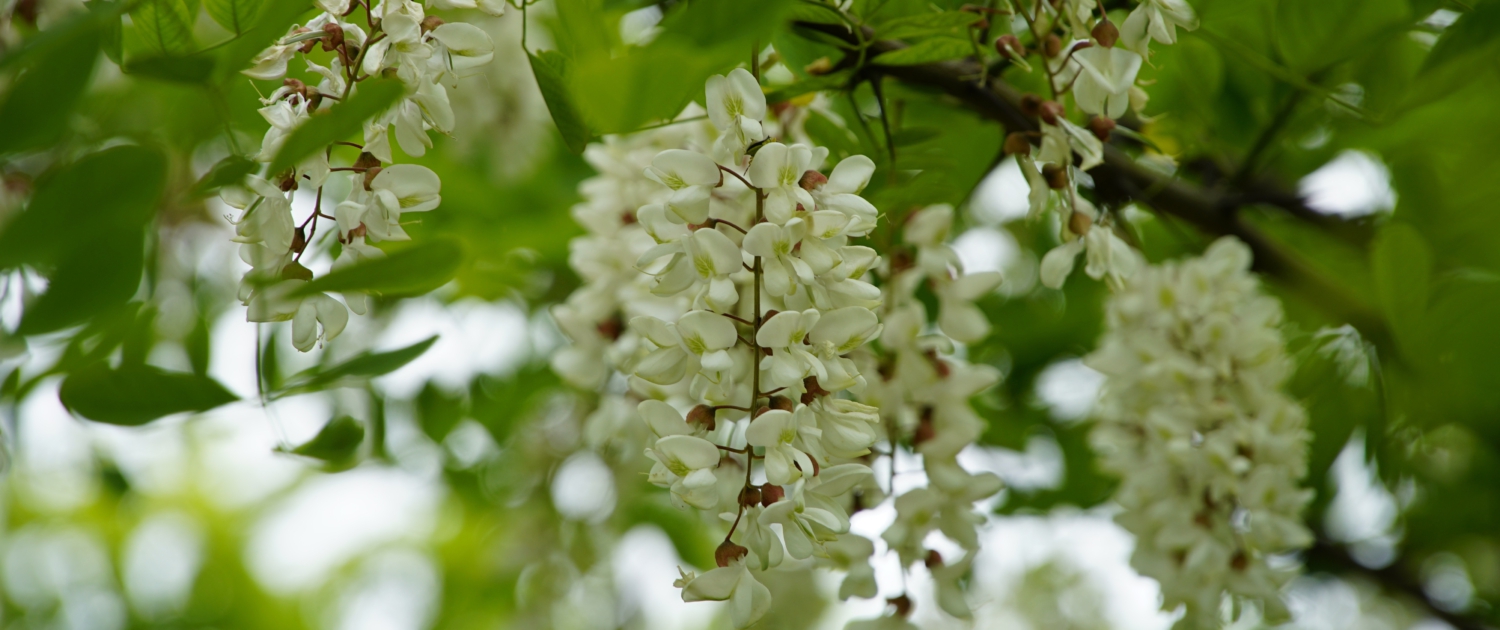





 Foto: EPD