Biodiversity lexicon: U for urbanization
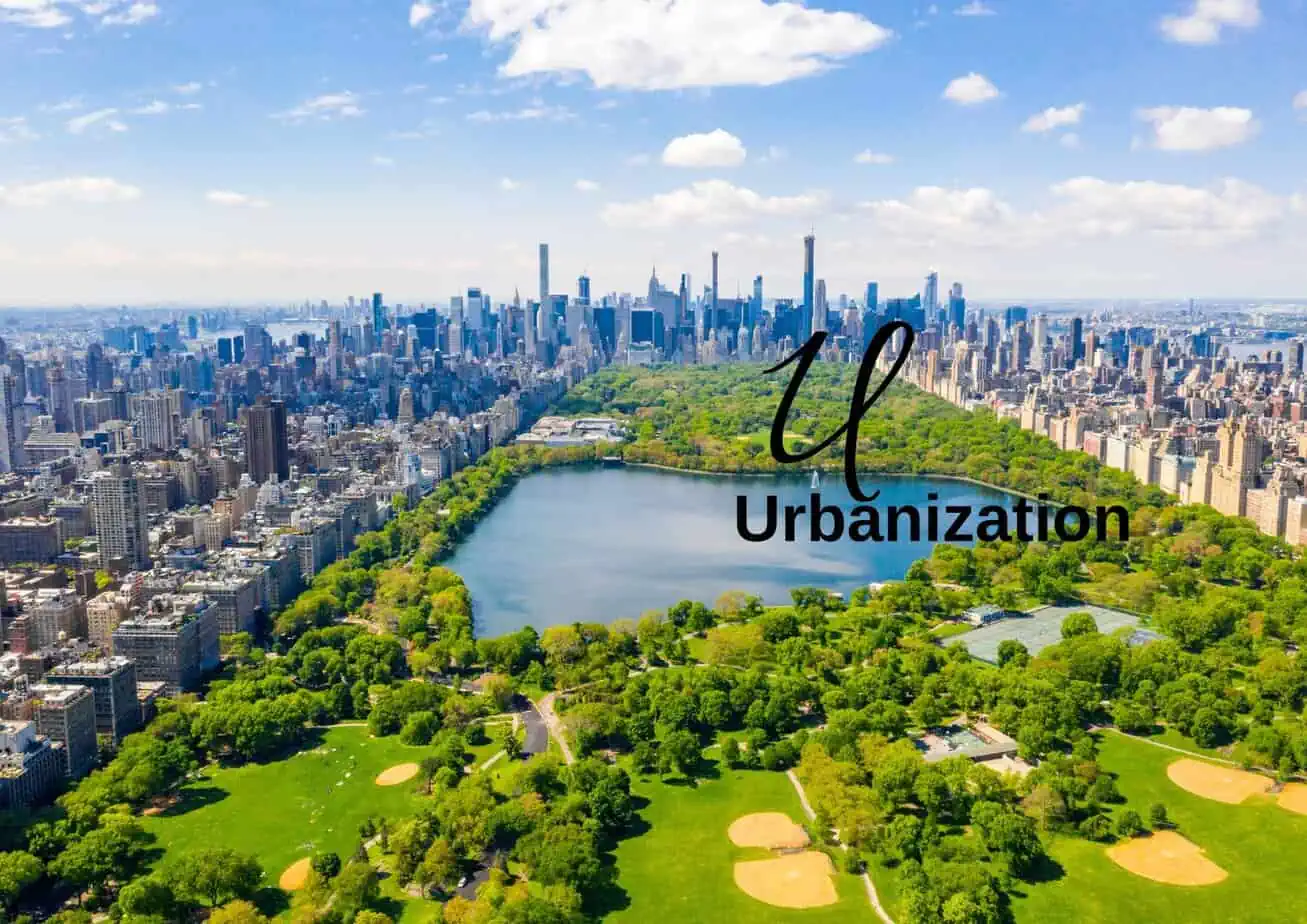
Cities are growing worldwide. Where meadows once bloomed and forests rustled, asphalt, glass and concrete often dominate today. Natural soil often has to make way for sealed surfaces. This process, which we call urbanization, often has many negative consequences for nature. Habitats for plants, animals and insects disappear. For them, cities often consist mainly of barriers.
Golf courses function like green lungs in this urban environment. In an increasingly sealed world, they are developing from pure sports facilities into important retreats for biodiversity. Ultimately, they form a great contrast to the small, fragmented areas that characterize urban areas. Here, green, natural areas are often so scattered and fragmented that animals and insects cannot move between them. They can hardly survive here.
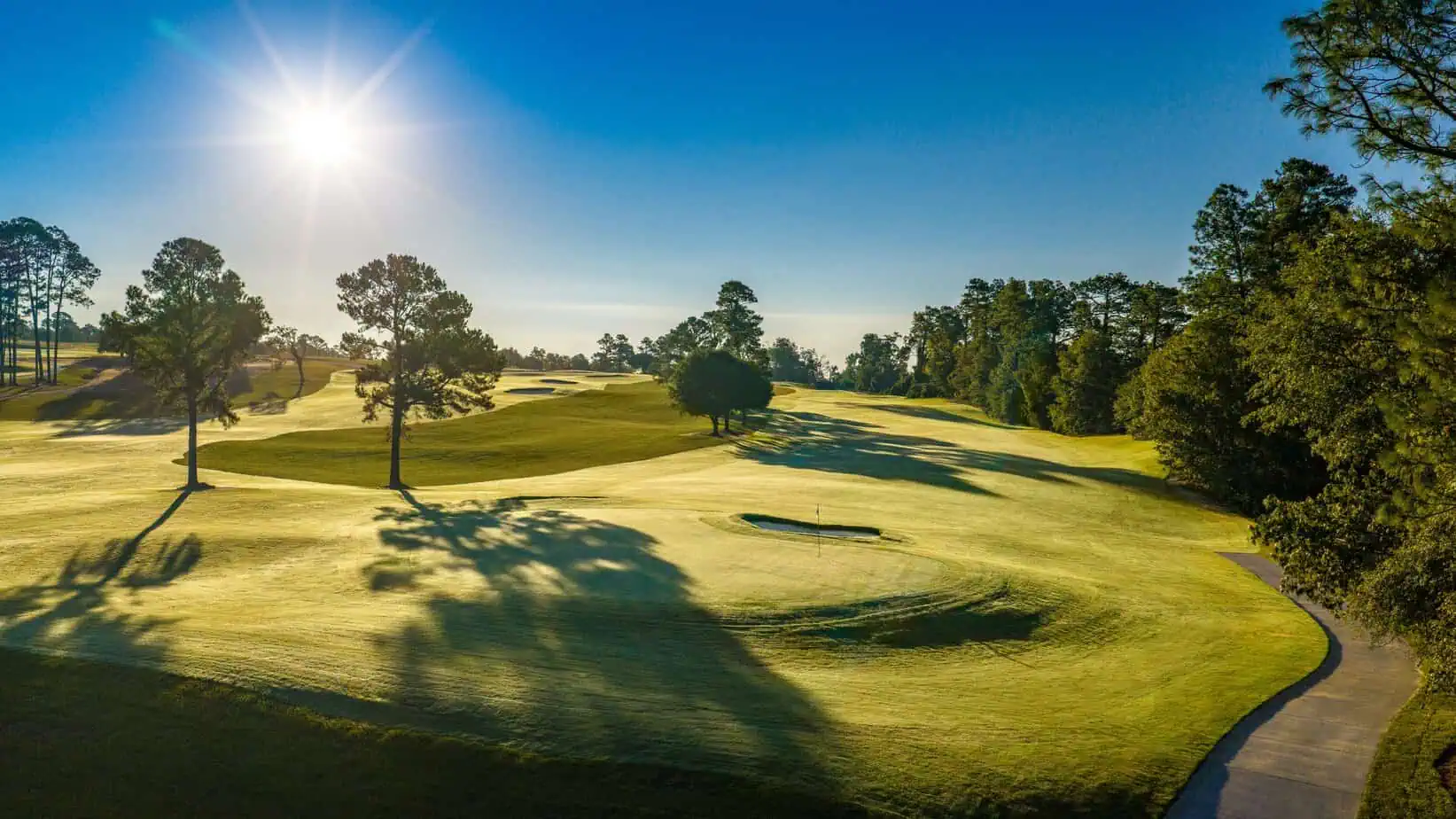
This is precisely where golf courses come into their own. With their often huge areas of 60 hectares and more, they are not just “lawn monocultures”, as critics often claim. On the contrary: in an urban environment, they are often the largest contiguous green space far and wide.
A modern golf course scores points with the variety of habitats spread over the entire area.
-
Tall grasses and wildflowers provide food for wild bees and butterflies.
-
Old trees and deadwood hedges are “hotels” for beetles and bats.
-
Ponds and ditches serve as nurseries for frogs and dragonflies.
This mosaic of different microclimates is hard to find anywhere else in the city. Where the park is often “tidy” and bare, the corners of the golf course can sometimes be wild.
Golf courses therefore play an important role as stepping stone biotopes. They allow animals to move safely through the city, rest and mix with conspecifics from other neighborhoods. This keeps the species healthy.
Oasis of calm and cooling
In a public park, people jog, barbecue, listen to music and dogs run across the meadows. This is great for us humans, but pure stress for many wild animals. There is a “controlled calm” on the golf course. The players stay on the fairways and the valuable biotope zones remain deserted for most of the year. This lack of disturbance is a luxury that is almost extinct in our noisy cities.
In addition to protecting species, urban golf courses do something else that we all feel in summer: they cool the city. While the asphalt in the city center heats up to 50 degrees, the large green spaces act like a natural air conditioning system. They store rainwater instead of letting it flow into the sewage system and release cool, fresh air into the surrounding area through evaporation.
For cities, this means that golf courses within their boundaries are important promoters of biodiversity. In regions that are increasingly suffering from sealing, heat and species poverty, they make an important contribution to making cities more liveable. Not only for plants and animals, but also for people.