
–biodiver
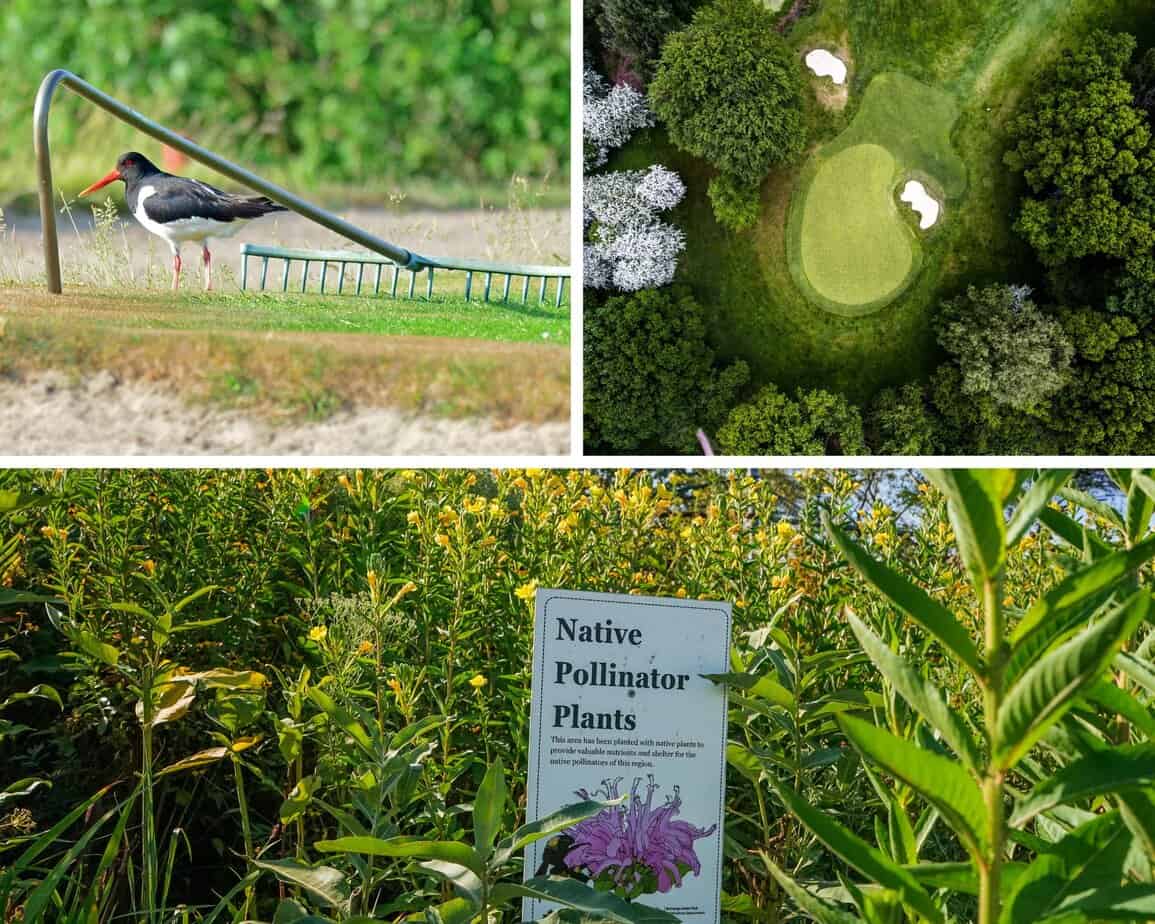
The new 2026 report from the Intergovernmental Science-Policy Platform on Biodiversity and Ecosystem Services (IPBES) paints a clear picture: the global extinction of species is continuing and the economic consequences of the biodiversity crisis are becoming increasingly noticeable. What sounds like global environmental policy at first glance can be observed on a small scale in the golf industry – a microcosm in which the balance between nature and the economy is particularly evident.
The dilemma of the golf industry
The IPBES report makes it clear how strongly the economy and the environment are intertwined. Around half of the global gross domestic product depends directly or indirectly on so-called ecosystem services – the services provided by nature that we often take for granted: clean water, fertile soil, pollination, stable climatic conditions. Golf also benefits greatly from this. Its attractiveness, indeed its very existence, is based on healthy landscapes, intact water cycles and a stable climate. Without them, there would be no aesthetic fairways, no well-tended greens, no gentle microclimate for a pleasant game.
But the report also holds up a mirror: Economic activity contributes massively to the loss of those ecosystem services on which it itself depends. Golf courses use large areas of land, consume water, energy and in some cases pesticides – often in regions that are already under pressure. Added to this is the high mobility of golfers worldwide, which contributes to climate change through long-distance travel. The industry thus exemplifies the global dilemma: it benefits from nature, but at the same time endangers it.
Economic success and biodiversity are linked
The IPBES report warns that the decline in biodiversity is not a distant environmental problem, but a tangible economic risk. When soils degrade, water sources dry up or extreme weather events increase, the golf economy is directly affected. Without healthy soil, sand, grass, water, heat and light, outdoor golf is simply not possible. Entire value chains – from greenkeeping to international golf tourism – depend on these natural foundations.
IPBES is therefore calling for biodiversity protection to become a central component of global business models. The golf industry has already come to this realization to some extent. Clubs and operators around the world are increasingly investing in nature-oriented design: fallow land is being ecologically upgraded, flower strips created and biotopes maintained. Such measures not only improve biodiversity, but also the scenic experience – and thus indirectly the attractiveness of the courses.
However, the report also shows that without economic incentives, sustainable action often remains incomplete. Subsidies or environmental certificates are a start, but they rarely create a lasting economic basis. The next step is to make biodiversity measurable and therefore assessable – as part of ESG strategies, sustainability reports or new revenue models.
Golf courses and ESG goals of companies
For golf courses, this offers the opportunity to implement and document ecological enhancement measures. Companies that want to integrate biodiversity into their sustainability goals could support such projects – and at the same time promote areas for climate adaptation, carbon sequestration or biodiversity.
This opens up a future field for the industry: biodiversity as part of the business model. Anyone thinking about sustainable investments and new value creation today should include the potential of those areas that lie beyond the fairways. The golf courses of the future could be much more than just places for sport – they could become laboratories for ecological resilience and pioneers of a nature-based economy.
.