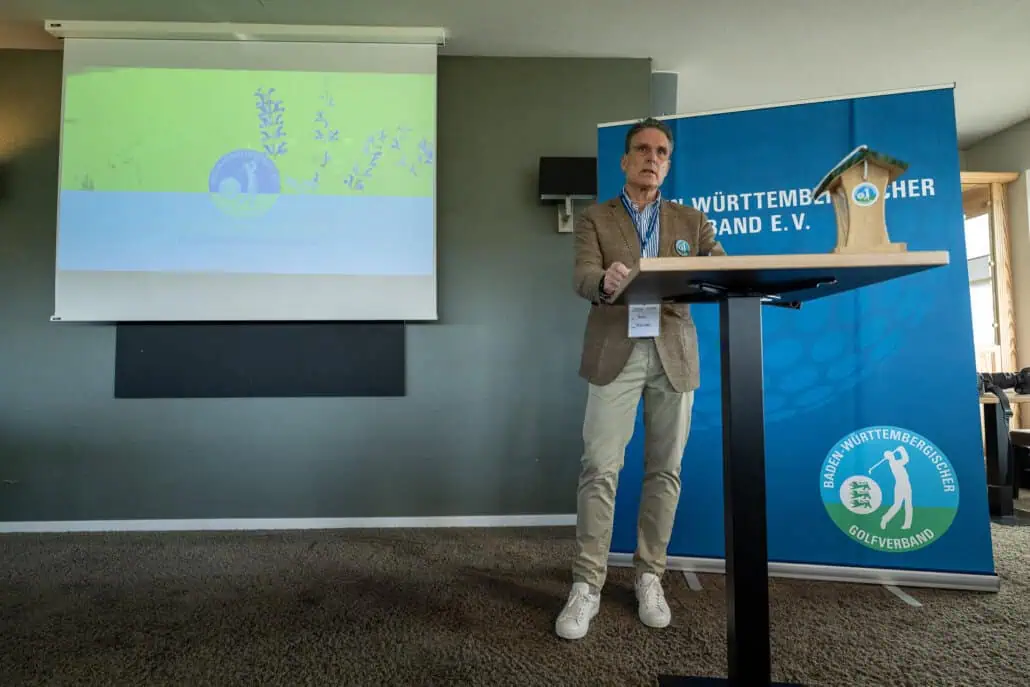
A successful model is entering the next phase: the Baden-Württemberg Golf Association is taking a more ambitious approach to its golf course habitat project. “We want to make the project sustainable and give it a new seriousness,” explained association president Michael Marbler at the environmental symposium at Kirchheim-Wendlingen Golf Club.
Golf courses that participate in the Golf Course Habitat project, which is carried out in cooperation with the Ministry of the Environment in Baden-Württemberg, sign a voluntary commitment. This includes, for example, the appointment of an environmental officer and the renunciation of the use of pesticides in extensive rough areas. “We naturally hope that the environmental officer will be given the necessary resources by the management and will also be listened to,” says Managing Director André Kette optimistically.
INSERT_STEADY_NEWSLETTER_SIGNUP_HERE
The optimism of the association’s management is well-founded. Since the launch of the golf course habitat project in Baden-Württemberg, it has developed into a national initiative in which Rhineland-Palatinate, Hesse and North Rhine-Westphalia are now also participating. A similar program is underway in Bavaria with the Blühpakt Bayern. “I would never have dreamed that our joint project would be such a success. I congratulate you,” said State Secretary Andre Baumann, who has been involved with the project since 2020, enthusiastically. He summed up by saying that the golf course habitat is unique in Baden-Württemberg.
The next phase should now also involve the golf industry opening up more to the outside world. “We want to open up to society,” explained President Marbler and also referred to the important role of the Environmental Committee at this point. This committee had organized the environmental symposium under the leadership of
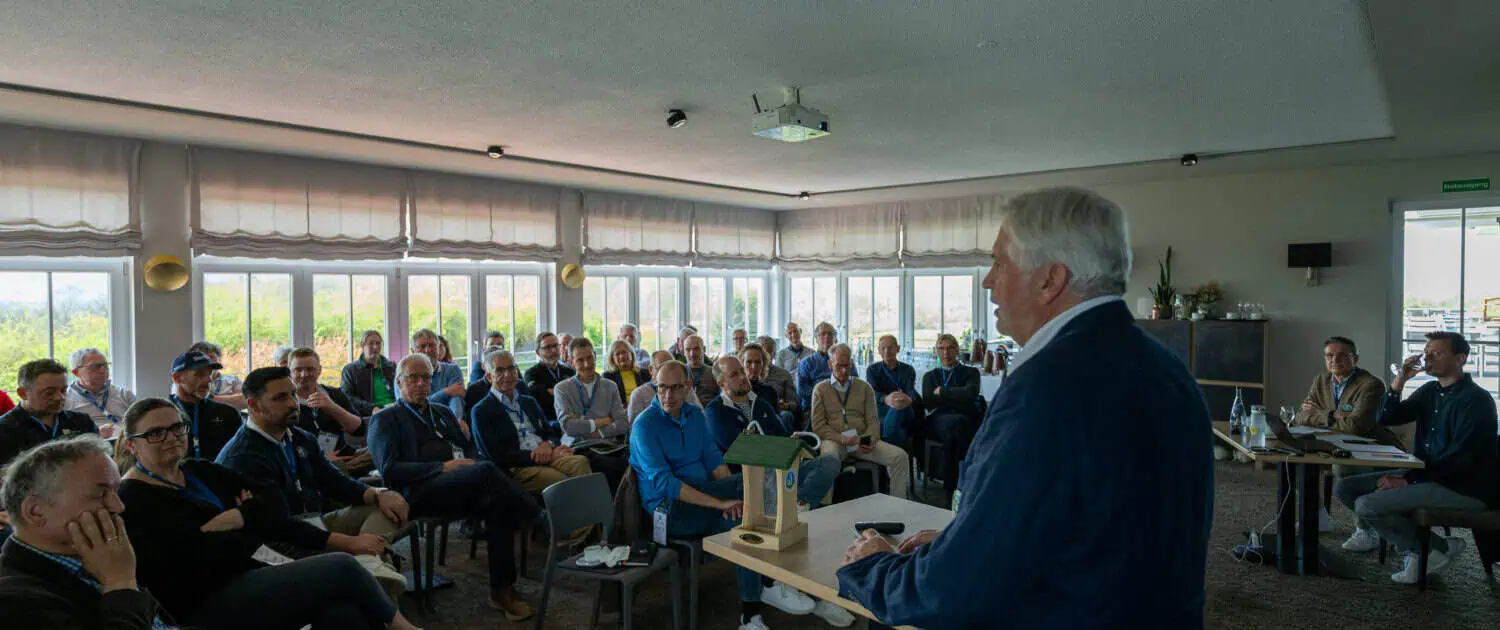
Dr. Gerhard Bronner, Chairman of the State Nature Conservation Association, and Dr. Gunther Hardt, Head of the Biodiversity Working Group of the German Golf Association, provided the 60 or so participants at the environmental symposium with initial suggestions for possible activities.
Petra Himmel, founder of the Golf Sustainable platform, used examples from the international golf environment to show that the expansion and further development of the golf course habitat project is the right step in view of the increasing challenges posed by the climate and biodiversity crisis.
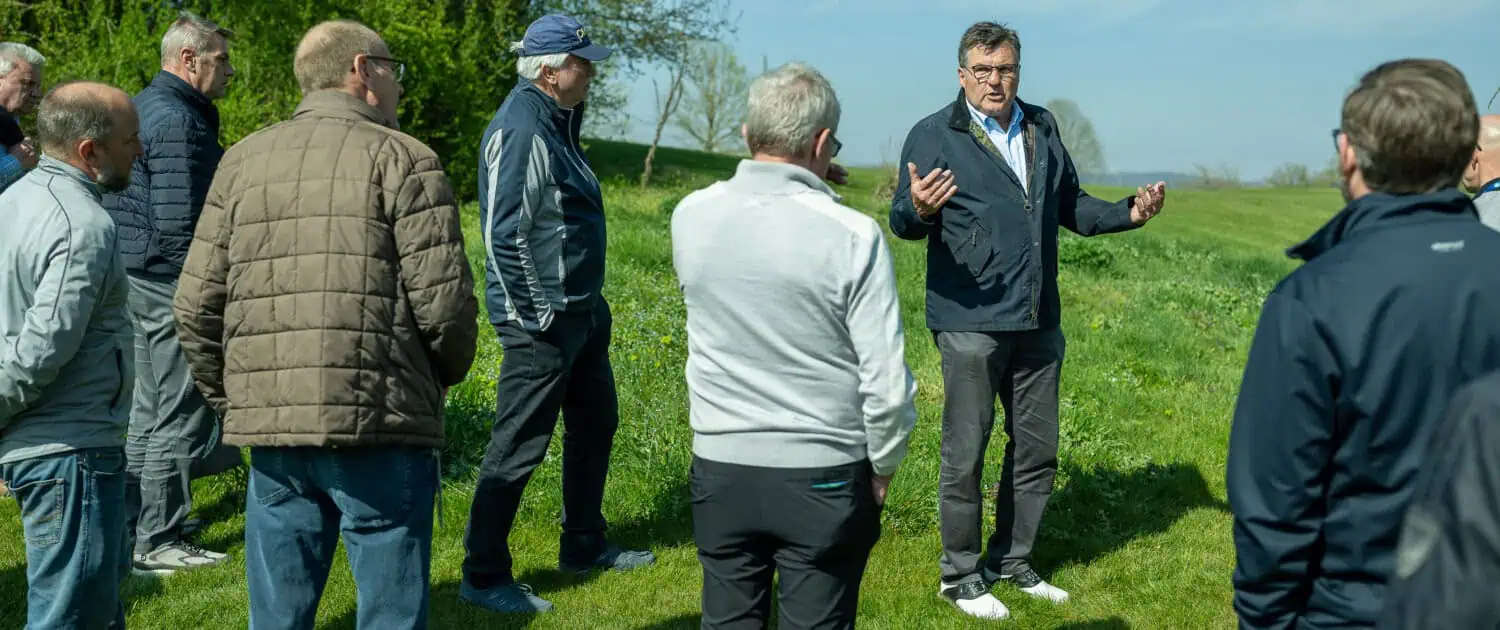
The one-day symposium provided participants with a wealth of information. “In terms of further training and networking, it was great,” said
The new Habitat Golf Course initiative will become a reality in the coming weeks when interested clubs from Baden-Württemberg sign the voluntary commitment. “The Habitat Golf Course certificate will then be issued for two years and must be renewed each time in accordance with the requirements,” Kette explains the next steps. Particularly motivated and committed clubs will then also have the opportunity to apply for the BWGV’s new environmental award.