
• Home
  • Newsletter abonnieren
  • Das Team
  • Ziele
  • Deutsch Deutsch Deutsch de
  • English English Englisch en
Golf Sustainable
  • News
    • Club-News
  • Klimawandel
  • Wasser
  • Biodiversität
  • Greenkeeping
  • Tourismus
  • Diversität
  • Weitere Themen
    • CO₂
    • Industrie & Equipment
    • Best Practice
    • Science
  • Click to open the search input field Click to open the search input field Suche
  • Menü Menü
Golfer und CO2-Fußabdruck
Foto: Adobe i Stock

Basiswissen Rote Liste und Golf

Die 1963 gegründete Rote Liste der gefährdeten Arten wird von der Internationalen Union zur Bewahrung der Natur (IUCN) erstellt und ist ein wichtiger Indikator für den Zustand der Biodiversität. Sie ist weltweit die umfassendste Informationsquelle über den globalen Aussterberisikostatus von Tier-, Pilz- und Pflanzenarten. /

Die Listen werden laufend aktualisiert. Laut aktuellem Stand  gibt es derzeit 172.620 bewertete Artten und von diesen sind 48.646 Arten in Bedrohungskategorien eingestuft worden. Darunter befinden sich unter anderem 41 Prozent der Amphibien, 21 % Prozent der Reptilien, 36 Prozent der riffbildenden Korallen, 38 Prozent der Bäume, 27 Prozent der Säugetiere und 11 Prozent der Vögel.

Die Rote Liste liefert Informationen über Verbreitungsgebiet, Populationsgröße, Lebensraum und Ökologie, Nutzung und/oder Handel, Bedrohungen und Schutzmaßnahmen, die dazu beitragen, notwendige Naturschutzentscheidungen zu treffen. Das Ziel der IUCN ist es, mindestens 160.000 Arten zu bewerten. Von Experten vereinzelt kritisch bei der Roten Liste angesehen wird die Tatsache, dass die bisher erfassten Artengruppen nur auf terrestrische, insbesondere Waldökosysteme ausgerichtet sind.

Wann ist eine Art bedroht?

Die internationale Rote Liste beruht auf wissenschaftlichen Kriterien und ist damit die verlässlichste und renommierteste Quelle über den Zustand der Artenvielfalt. Wie bedroht eine Art ist hängt nicht nur davon ab, wie viele Tiere oder Pflanzen es noch gibt. Auch der Lebensraum spielt eine wichtige Rolle.

„Es macht einen großen Unterschied, ob eine Art über halb Ostafrika verbreitet ist, oder nur in einem kleinen Vulkankegel in Kenia vorkommt“, erklärt Arnulf Köhncke vom World Wide Fund For Nature (WWF) Deutschland. „Wenn ein Gebiet sehr klein ist, mag es hier noch 5.000 Tiere geben – trotzdem kann die Art durch eine mögliche Zerstörung des Gebietes stark bedroht sein.“ Außerdem überprüfen die Experten die Fortpflanzungsrate der jeweiligen Art und beobachten genau, wie sich ihre Population entwickelt.

Das Biodiversität-Lexikon: Alles zur Artenvielfalt

Einstufung in drei Kategorien

Die Liste wird in unterschiedliche Kategorien aufgeteilt. Die Kategorien „vom Aussterben bedroht“ (critically endangered/CR), „stark gefährdet“ (endangered/EN) und „gefährdet“ (vulnerable/VU) werden dabei zusammengefasst, um die Zahl der „gefährdeten“ Arten anzugeben (threatened). Die Entwicklung der Anzahl der Arten in den Gefährdungskategorien (CR, EN, VU) von 1996 bis 2025 ist dabei enorm.

Die Daten der Roten Liste bilden die Grundlage für die erforderlichen Indikatoren, um die Fortschritte bei der Erreichung der Ziele des Übereinkommen über die biologische Vielfalt (CBD), des Kunming-Montreal-Biodiversitätsrahmen (Kunming-Montreal Global Biodiversity Framework – GBF) für 2030 zu messen. Gleiches gilt für die Ziele der Agenda 2030 der Vereinten Nationen (UN) mit ihren 17 Zielen für nachhaltige Entwicklung (Sustainable Development Goals, SDGs) insbesondere Ziel 15.

Eine Problematik taucht auch bei den eingeschleppten (invasiven) Arten auf. Der aktuelle Bericht des Weltbiodiversitätsrat (IPBES) vom September 2023 beziffert die Anzahl weltweit auf mehr als 37.000 gebietsfremde Arten, davon sind mehr als 3.500 invasiv. Letztere sind in der Lage, Arten zu verdrängen und im schlimmsten Fall ganze Ökosysteme zu kippen. Die weltweiten wirtschaftlichen Schäden durch invasive Arten liegen inzwischen bei über 324 Milliarden US-Dollar pro Jahr.
Der Faktor Mensch

Dem WWF zufolge gehen neuste Erhebungen davon aus, dass sich die Aussterberate durch menschliche Einflüsse mittlerweile um den Faktor 100 bis 1.000 gegenüber der natürlichen Rate erhöht hat. Lebensraumverlust und die massive Übernutzung der natürlichen Ressourcen wie etwa durch Überfischung oder auch Wilderei zählen dabei zu den weltweit wichtigsten Bedrohungsfaktoren für die Artenvielfalt. Hinzu kommen Umweltverschmutzung, Klimakrise und die Verdrängung der heimischen Flora und Fauna durch invasive Arten.

Laut WWF ist das Aussterben einer Art unumkehrbar und schafft unkalkulierbare Risiken. Tiere und Pflanzen haben neben ihrem Eigenwert eine Funktion im Ökosystem. Gerät dieses durch Artensterben durcheinander, so wird dies auch Folgen für den Menschen haben. Nahrung, Wasser und Medizin hängen in weiten Teilen der Erde direkt von einem funktionierenden und gesunden Ökosystem mit einer hohen Artenvielfalt ab. Wird dieses Ökosystem durch Artenverlust zerstört, so gerät auch die Existenzgrundlage eines großen Teils der Weltbevölkerung unmittelbar in Gefahr.

Golf und Biodiversität: Mehr Chancen für die Fledermaus

Nationale und regionale Rote Listen

Von Staaten oder Bundesländern für ihr Gebiet herausgegebene Rote Listen haben einen regionalen Bezug und dadurch eine andere Bedeutung als die internationalen Roten Listen der IUCN. Sie können auf geografische Besonderheiten eingehen und ermöglichen dem Artenschutz vor Ort eine umfassendere Darstellung.

In Deutschland werden die nationalen Roten Listen vom Bundesamt für Naturschutz (BfN) in Bonn herausgegeben. Hier findet sich je nach Art die aktuelle Rote Liste zum Download. Die Gesamtkoordination und Redaktion der Roten Listen Deutschlands liegt dabei seit 2019 in der Hand des Rote-Liste-Zentrums, das auf seiner Homepage ebenfalls Listen zum Download bereitstellt.

Die neue Rote Liste Säugetiere, die Rote Liste Süßwasserfische und Neunaugen, die Rote Liste Amphibien, die Rote Liste Reptilien sowie die Rote Liste der phytoparasitischen Kleinpilze stehen hier als elektronische Publikationen zur Verfügung. Darüber hinaus sind die Rote Liste-Daten dieser und weiterer Organismengruppen in den Downloadbereichen der Website abrufbar: Wirbeltiere, wirbellose Tiere, Pflanzen, Pilze und Flechten.
Die Rolle internationaler Golfplätze und Verbände

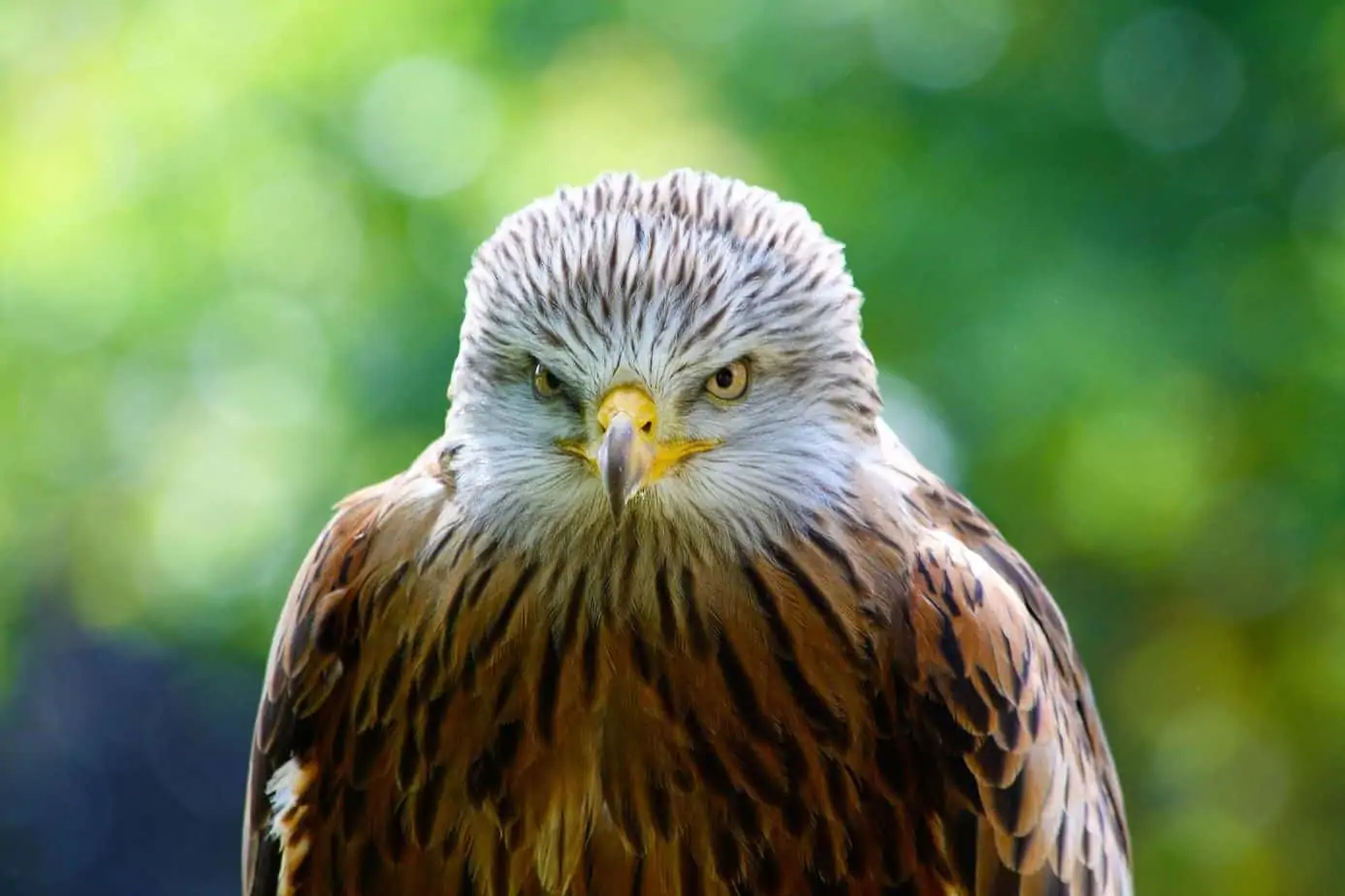
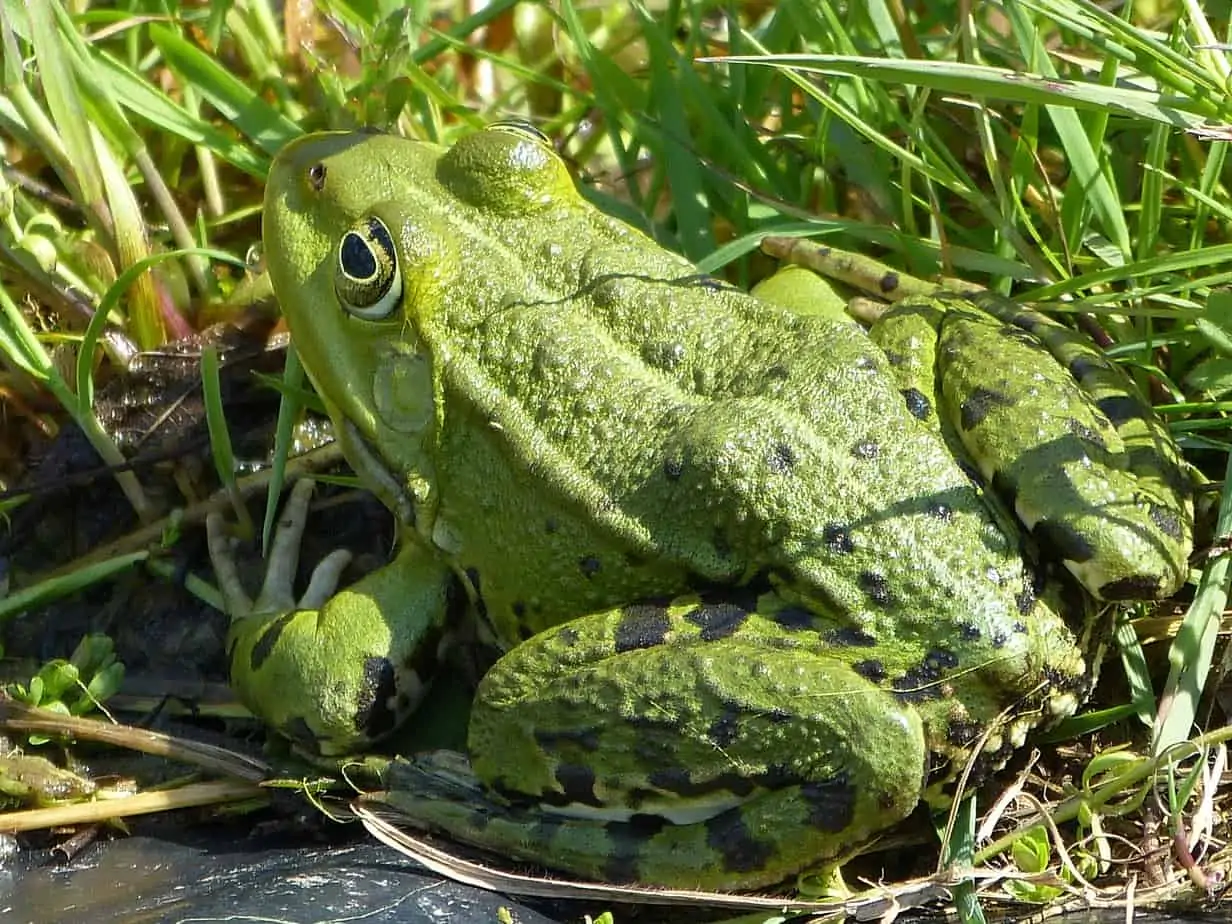
Golfplätze können dazu beitragen, dem Artensterben aktiv entgegenzuwirken und bedrohte Arten zu schützen. Angefangen von Bienen über Fledermäuse bis hin zu Insekten und Pflanzen finden hier rund um die Fairways zahlreiche schützenswerte Tiere, Pilze und Pflanzen eine Heimat. Golfplätze beherbergen die seltensten international geschützten Wildtiere, darunter alle Arten von Fledermaus- und Kreuzkröten. Auch rückläufige Arten wie Feldhase, Fischotter und alle Reptilien machen Golfplätze zu ihrer Heimat.

In England zum Beispiel sind über 98 Prozent aller Eidechsenorchideen im Royal St George’s Golf Club zu finden. Der Open-Veranstaltungsort ist nicht nur eine Oase für diese Spezies, sondern hilft ihnen auch als Keimzelle, sich auszubreiten und in die unmittelbare Landschaft zu gelangen. Gewisse Schafrassen sind speziell in Großbritannien häufig auf den Plätzen anzutreffen. Der R&A pflegt dabei eine langjährige Beziehung mit der Naturschutzorganisation RSPB. Diese hilft dabei, um das Lebensraummanagement und den Wildtierwert von Golfplätzen zu verbessern und den Golfsport dabei zu unterstützen, seine gute Arbeit bei der Umweltlobby und der Regierung zu fördern.

In Frankreich, pflegt der Französische Golfverband zum Thema Biodiversität Partnerschaften mit dem Nationalmuseum für Naturgeschichte (www.golfpourlabiodiversite.org) oder engagiert sich im Rahmen von Stiftungsfonds (www.ffgreen.org). Der Golf de Touraine ist der erste französische Golfclub, der im Rahmen des Programms „Golf für die biologische Vielfalt“ ausgezeichnet wurde und welcher die Artenvielfalt auf dem eigenen Platz listet und schützt.

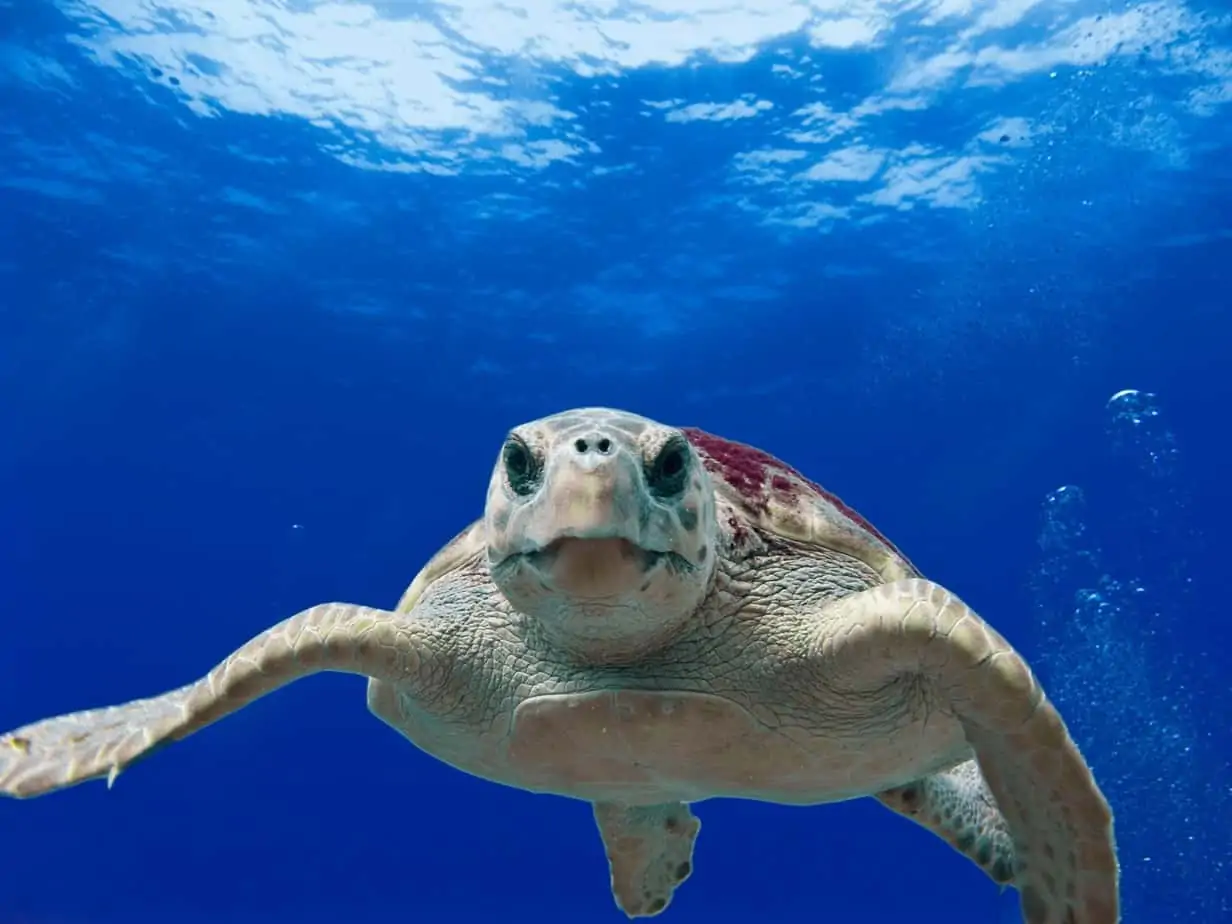
In den USA schuf der Endangered Species Act (ESA) von 1973 als Gesetz zur Erhaltung gefährdeter und bedrohter Arten von Fischen, Wildtieren und Pflanzen sowie für andere Zweck einen Rahmen für die Erhaltung und Wiederherstellung gefährdeter Pflanzen und Tiere in den Vereinigten Staaten. Das Gesetz verlangt von den Bundesbehörden, dass sie sicherstellen müssen, dass ihre Maßnahmen die Existenz der aufgeführten Arten nicht gefährden können. Der Florida-Panther, die Florida-Seekuh, der Kalifornische Kondor oder die Unechte Karettschildkröte, Mississippi-Erdhörnchen-Frosch oder die  Franklins Hummel gehören derzeit beispielsweise zu den meistbedrohten Arten. Die USGA als US-Golfverband investiert im Rahmen seines USGA-Nachhaltigkeitsprogrammes in entsprechende Forschungsprojekte und hat auch an seinem USGA-Campus in New Jersey Nachhaltigkeitspraktiken als Schwerpunkte.

In Schottland hat die Non-Profit-Organisation GEO Foundation for Sustainable Golf ihren Sitz und betreibt das weltweit führende Nachhaltigkeitssystem für den Golfsport. Der Deutsche Golf-Verband (DGV) bietet zum Thema Biodiversität zahlreiche Projekte wie GolfBiodivers an und liefert hierzu für Golfanlagenbetreiber wichtige Informationen im Rahmen des Factsheet Biodiversität auf dem Golfplatz oder innerhalb der DGV-Toolbox Umwelt- & Platzpflege. Zudem gibt es auch Kooperationen wie zum Beispiel mit der Deutschen Wildtier Stiftung oder das Forschungsprojekt Golf Biodivers. 
GC Sinsheim
Teile diesen Eintrag
  • Teilen auf Facebook
  • Teilen auf X
  • Teilen auf WhatsApp
  • Teilen auf Pinterest
  • Teilen auf LinkedIn
  • Per E-Mail teilen

Neuerscheinung

INSTAGRAM

golfsustainable

Golf Sustainable is an independent news platform, founded by Petra Himmel.

Mit welchem Wasser werden Golfplätze eigentlich be Mit welchem Wasser werden Golfplätze eigentlich beregnet?
There is only one golfer on SportsPro’s 2026 list There is only one golfer on SportsPro’s 2026 list of the 50 Most Marketable Athletes in the World, and that's a female golfer: Nelly Korda. The American is ranked No. 33. This rise is remarkable. In 2024, Korda was ranked 115th. Two years later, she has broken into the global top 50. What explains this development?

 1️⃣ Korda's success is built on extraordinary commitment. As Major-Champion, Olympic gold medallist and world No. 1, she has established herself among the dominant figures in women's golf. Her daily routine,  from mobility training and fitness to several hours of practice and work with her coach, reflects a level of professionalism that makes her sporting achievements credible and consistent.

 2️⃣ Korda has a distinctive approach to public visibility. Unlike many athletes, she rarely shares intimate details of her private life. Instead, she has built a brand around performance, consistency and authenticity. Her representation by Wasserman since 2022 has helped position her beyond the traditional golf market.

3️⃣ TaylorMade, Nike, Delta Air Lines, Ernst & Young and Goldman Sachs: her partners represent premium brands across sport, travel and finance. Korda offers access to an international audience with considerable purchasing power.

 4️⃣ Her appearance at the 2026 Met Gala in an Oscar de la Renta gown illustrates another important step: Korda is increasingly positioning herself beyond the golf community. With 1.3 million Instagram followers and prominent connections in the sports world, she has the potential to reach audiences who might not regularly follow women's golf.
 
5️⃣ Her commercial appeal has proved resilient even when her results fluctuated. Forbes estimated her 2025 annual earnings at around $13 million, with sponsorships accounting for the majority. 

SportsPro's ranking shows that Nelly Korda has climbed the ranks among sports personalities.  This migt also help make golf more appealing to women.

#GolfBusiness #WomenInSport #Golf #femalegolfer #professionalgolf #diversity #golfsustainable 
📷 The Amundi Evian Championship/Philippe Millereau
#FeelSomethingReal #BeHereNow #Golflover #GolfSust #FeelSomethingReal #BeHereNow #Golflover #GolfSustainable
A Ryder Cup and AIG Women's Open venue with a worl A Ryder Cup and AIG Women's Open venue with a world-famous heather restoration programme? Welcome to Walton Heath Golf Club.

Over the past 200 years, the Surrey region has lost a staggering 85% of its natural heathland. Walton Heath is fighting back. Superintendent Michael Mann and his team are cultivating nine hectares of precious Lowland Heath - clearing brushwood, growing their own seeds, and proving that championship-level golf and rigorous nature conservation are a perfect match.

It takes four to five years of patience for these cleared soils to grow back into resilient, healthy heather. Why this massive effort is not only a lifeline for local biodiversity but also an essential, punishing strategic element for golf course architecture is detailed in our article on Golf Sustainable (Link in Bio).

Check out our YouTube Channel for more videos about famous clubs, biodiversity or sustainability topics. 
#golfsustainable #heather #bestcourses #sustainablecourses #greenkeeping #golfcourse #golf
How much can electrified mowing reduce a golf club How much can electrified mowing reduce a golf club's carbon emissions? Greenkeeping remains a key lever for reaching ambitious climate goals.  How effective is the switch to electric fairway mowers? Research is limited, but we found one 2025 study, and we examined a 27-hole course with strong data. 

The Scientific Baseline (2025 Study, Italy)
A case study conducted at the 27-hole Montecchia golf course compared conventional diesel mowers with autonomous, battery-powered models on 10.69 hectares of fairways:
▪️ Relative CO₂ emission reduction: 66.2%
▪️ Absolute savings: 9.24 tons of CO₂/year
▪️ Emission comparison: 1,305 kg/hectare (diesel) vs. 441 kg/hectare (electric)

Operational Data (Golfpark Weiherhof, Germany)
Operational records from a 27-hole facility utilising 25 electric mowers for tees, fairways, and semi-roughs over one season show:
▪️ Diesel consumption decreased from 18,180 litres to 8,683 litres.
▪️ CO₂ emissions were reduced from approximately 48 tons to 23.01 tons.
▪️ Charging infrastructure: The facility utilises a 100 kWh on-site solar system, aligning the charging cycles with active power generation to optimise the emission factor.

Find the full article on our website. 

#GolfSustainable #Golfcourse #Golfplatz  #Greenkeeping #GolfIndustry #SustainableGolf #CarbonFootprint #GolfCourseManagement #SportsManagement #EnvironmentalData #golf #golfer 

Fotos: Golfpark Weiherhof
Today the LET will likely look to the WTA with a t Today the LET will likely look to the WTA with a touch of envy. Women’s tennis swiftly reoriented itself yesterday after announcing a new title sponsor for the season-ending WTA Finals: the yoghurt brand Fage. Before that, the WTA terminated its three-year contract to host the WTA Finals in Riyadh (Saudi Arabia) a year early.

The LET, meanwhile, continues to face the sobering reality that GOLF Saudi's significant reduction in involvement means massive financial losses, at least for the time being. Instead of five events with $15 million in prize money, by 2027 there will be just one tournament with $4 million in prize money and a ranking-bonus sponsorship.

The challenge for the LET becomes still more visible when looking at the blank numbers: 
 💠 The prize money for the WTA Finals accounted for around six per cent of the total prize money in 2025.
 💠 On the LET, the share of PIF tournaments in the total prize money in 2026 was about 32 per cent.
 💠 On the LPGA, where the co-sanctioned Aramco Championship took place, PIF prize money counted for about three % in 2026.

The LET’s figures send a clear message: this is what dependence looks like. On top of that, fossil fuel sponsorship in sport has been criticised for years anyhow. 

The WTA also found a solution to this problem by securing a deal with the yoghurt brand Farge. One thing is clear about yoghurt: it is completely politically neutral.

#golf #tennis #let #wta #femalesports #sponsorship #femalegolf #golfsustainable #greensports #professionalgolf
Instagram-Beitrag 17992628706052347 Instagram-Beitrag 17992628706052347
Did you watch the Aramco Korea Championship last w Did you watch the Aramco Korea Championship last week? It made me think about how important golf courses are in urban areas. 

Step back and consider the value of a golf course to society. The sponge city concept aims to retain rainwater where it falls, letting it infiltrate the soil, replenish groundwater, and reduce pressure on drainage systems during heavy rainfall. Golf courses can contribute to this approach through:

 💠 Rainwater retention and infiltration in permeable green spaces and soils.
 💠 Natural cooling through vegetation, evaporation and transpiration.
 💠 Water storage and biodiversity in ponds, wetlands, biotopes. 
 💠 Climate resilience through species-rich meadows, woodland and hedgerows that complement the intensively maintained playing areas.

But: Do cities already recognise this value? Is more communication needed to make regulators aware of the benefits of golf courses in urban areas? Looking back at the pictures of the Aramco Korea Championship at New Korea Country Club last week the value of a golf course in an urban environment became very visible. 

We just have to talk about it. 

👉 Read the full article on Golf Sustainable. 
Fotos: LET/Oliver Brady, Petra Himmel/AI generated

#GolfSustainable #SustainableGolf #SpongeCity #WaterManagement #ClimateAdaptation #Biodiversity #UrbanPlanning #GreenInfrastructure #golf #golfer #greensports #greenkeeper #golfmanagement
Instagram-Beitrag 18436447168151171 Instagram-Beitrag 18436447168151171
Visibility is so important.We love the Green Thurs Visibility is so important.We love the Green Thursday project of Eco Athletes. A perfect best-practice case for golf associations or clubs. An easy way to start a conversation about sustainability.

Four professional golfers promote a greener game. Camille Chevalier, Celina Sattelkau, Sára Kousková and Patricie Macková have joined the Green Month initiative of  EcoAthletes. The inaugural Green Sports Month is bringing athletes and the wider sports community together to raise awareness and drive climate action.

🟢 Green Thursdays

Throughout the October tournament weeks, the four players will wear green on Thursdays to make climate action visible on the golf course – and encourage fellow LET players to join them. First occasion: Yesterday during the LET tournament in Korea. 

♻️ Plogtober

They will also take part in EcoAthletes’ Plogtober initiative, combining physical activity with litter collection. The idea is simple: get outside, move, pick up waste and use social media to inspire others to do the same.

For golf, this message matters. First of all, sustainability is not only about golf-course management, water, biodiversity or energy. It is also about the people who represent the sport and promote sustainable behaviour. 
Foto: LET/Oliver Brady

#GreenSportsMonth #EcoAthletes #SustainableGolf #greensports #ClimateAction #LadiesEuropeanTour  #Golf #SportForClimateAction #golfsustainable #greensports #womeningolf
Sylt is a high-end hotspot for golf tourists. The Sylt is a high-end hotspot for golf tourists. The island is working on its mission statement, due to be unveiled at the end of the year. One thing is already certain: with the ‘Lebenswert – sustainable Sylt’ seal of approval, the ‘environmentally conscious travel’ segment will play a significant role in it.

But what is the reality? How many hoteliers and golf courses truly stand behind this seal, and how do they put it into practice in their catering, hotel management and greenkeeping? We visited some golf clubs and hotels -  the résumé: 

 💠  Landhaus Stricker, led by Michelin-starred chef and owner Holger Bodendorf, offers the perfect combination of luxury holidays and sustainability. Meticulous attention is paid here to regional supply chains, resource conservation, waste prevention and renewable energy. This ranges from the tea bags at the buffet to membership in the Feinheimisch association. GreenSign certification is the icing on the cake. Perfect choice. 

 💠  The island has four golf courses, three of which have been awarded the highest ‘Gold’ level of the German Golf Association’s ‘Golf and Nature’ certificate. The Marine Golf Club, GC Sylt and the Budersand Resort are therefore the top destinations for golf tourists who like to travel in an environmentally conscious manner. It was a welcome discovery that sustainability is also a major priority at the Budersand Resort with its 5-star hotel. Plastic, at any rate – a real problem at golf resorts, particularly in the catering sector – definitely has no place here.

So what's next? All that remains is to adapt the marketing. Because one thing is clear: right now, Germany’s top island isn’t really associated with sustainable golf tourism in the customer's mind. Sylt is known as a golf destination, but not yet as a sustainable golf destination. Hopefully, that will change in the near future. 

Fotos: Sylt Marketing e.v., Landhaus Stricker, Budersand Hotel - Golf & Spa -Sylt, Marine Golf Club, Petra Himmel 

#sylt #sustainabletravel #tourism #golfsustainable #golftravel #golfholiday #sustainablehotels #golf #golfer
In Japan, abandoned golf courses become solar park In Japan, abandoned golf courses become solar parks - like here in Fukushima, where the EDP Group has converted a 60-hectare golf course into a vast solar park comprising 63,000 solar panels. The plant is expected to generate over 48 GWh of energy annually. 

Japan faces a shortage of space – not only for housing but also for the expansion of renewable energy. In this densely populated and mountainous country, solar project developers are desperately searching for suitable sites. 

In Japan, strict requirements apply to large-scale solar farms: They must have sufficient sunlight, be located a certain distance from residential areas, and have good access to the power grid. Solar farm developers are now finding that former golf courses meet these exact criteria.

From a developer's perspective, a golf course is essentially a ready-to-go power plant that simply hasn’t been connected to the grid yet. The land has already been developed, trees have often been cut down, and the terrain is generally not too hilly or extremely uneven. Added to this are the underground irrigation systems that are still in place. The development work required for solar park operators is minimal.

The case of Japan shows that a golf course can be transformed – sometimes more rapidly than golfers can imagine. 
📷EDP APAC

#golf #golfmanagement #sustainable #solarenergy #golfsustainable #golfcourse
🔥 Burning trolley batteries inside buildings are a 🔥 Burning trolley batteries inside buildings are a real problem at golf courses. That’s why we liked this new product idea.
😄 A solar-powered battery charging station - with no underground wiring and available in custom sizes - solves the problem. The stainless steel frame can be placed anywhere outdoors. The golf club decides how many batteries shall be charged at the same time or how many e-trolleys shall be parked here. Golfers can use them during their drinks or lunch at the clubhouse. 
🤑 Plus: All surfaces can be used for advertising partners, so the charging station can pay for itself. The batteries hide behind the advertising surfaces. 
Great idea: We’re excited to see it on the first courses. 

Link for the full story in the first comment, or have a look at golfsustainable.com

#golf #golfmanagement #golfsustainable #smartideas #golfindustry #solarenergy 

Foto: Alexander Fend
🏌 Golf for the community - an approach that is oft 🏌 Golf for the community - an approach that is often missing in today’s booming American golf market. Starting in December, The Gate Golf Club will provide a counterbalance in the Naples region, which ranks among the top destinations when it comes to private, high-end country clubs. 
 😀 Golf for the community - this is the goal that President Kristina Schmieding is consistently pursuing, with a whole host of supporters from Collier County by her side. Among them is First Tee, which is finally finding a permanent home at The Gate Golf Club.
Social sustainability in golf means creating added value for many. The countdown to The Gate has begun. Good luck with this wonderful initiative.
Fotos: The Gate Golf Club
#TheGateGolfClub #GolfSustainable #NaplesFlorida #NaplesGolf #PublicGolf #GrowTheGame #FirstTee #FloridaGolf #CommunityFirst #GolfLife #InclusiveGolf
🏌️‍♂️💦 Dew might look beautiful and harmless, but 🏌️‍♂️💦 Dew might look beautiful and harmless, but it's actually one of the biggest seasonal challenges for greenkeepers!

Autumn is dew season. When nighttime temperatures drop and humidity rises, a fine film of water forms on the turf. For us golfers, it just means a slower rolling ball—but for the health of the course, it can be a real threat.

👉 Why?
When the turf remains damp for hours, it creates the perfect microclimate for aggressive fungal diseases like the dreaded Dollar Spot. The water on the leaves also draws out sugars and amino acids from the plant—an absolute feast for pathogens.

🌱 The Sustainable Solution:
The magic phrase is: Interrupt leaf wetness! Mechanically removing the dew—through early morning mowing (even with disengaged blades) or dragging hoses and nets—breaks the disease cycle.

Studies confirm it: Regular dew removal drastically reduces Dollar Spot outbreaks and minimizes the need for strictly regulated pesticides. A massive win for both the environment and your playing surface! 🌍💚

💡 Want to dive deeper?
Read the full article featuring exclusive insights from Christian Spring (STRI Group) on golfsustainable.com!
🔗 https://golfsustainable.com/en/dew-and-dollar-spot-strategy/

#GolfSustainable  #Greenkeeping #TurfManagement #SustainableGolf #DollarSpot #GolfCourseMaintenance #GolfAcademy #EcoFriendlyGolf #GolfIndustry #golf
💧 Let’s talk about water management! As water cons 💧 Let’s talk about water management! As water conservation becomes central to golf course design, storage ponds are playing a vital role in securing irrigation for dry periods.

But not all reservoirs are created equal. Depending on space, budget, and ecological goals, there are different ways to store water on a golf course. Here are the main variants:

⛳ 1. The on-course strategic pond
Beautiful, functional, and part of the game! These ponds are integrated into the playing areas. They serve as a strategic hazard and are visually appealing. When designed with shallow-water zones and shoreline planting, they become massive boosters for local biodiversity. 🌿🦆

🚜 2. The engineered "off-course" pond
Built out of sight, these are designed purely for function. They are typically much deeper with a smaller surface area to minimise evaporation. Because they are hidden from players, there's no need to worry about aesthetics.

☀️ 3. Covered ponds
 To stop water from evaporating in the heat, some reservoirs use floating covers like open cisterns. There are also examples for ponds with solar panels—preventing evaporation while simultaneously generating clean electricity for the club! ⚡💧

Whether for strategic gameplay, maximum storage, or clean energy, each variant has its own unique benefits and costs. Keep in mind, that each reservoir is part of the whole water management strategy of the golf club. 

Which solution fits your course best? Read the full breakdown of costs, sizes, and design strategies in our latest article! We talked to golf course designer Thomas Himmel about his recommendations for the construction process. 

Link in first comment

#GolfSustainable #WaterManagement #Greenkeeping #GolfCourseDesign #Sustainability #EcoGolf #Biodiversity #GolfCourseArchitecture #WaterConservation #FutureOfGolf
The Solheim Cup is all about empowering women in s The Solheim Cup is all about empowering women in sports,  a crucial part of social #sustainability 
🌍⛳It has grown into a global media product broadcast in over 170 countries, proving that when women are given a massive platform, they deliver unmatched passion, intensity, and teamwork. 

But this incredible event didn't just appear out of nowhere. We owe a massive debt to a female business pioneer behind the scenes,  Louise Solheim. Alongside her husband Karsten, Louise was the strategic business force behind the PING brand. Together, they guaranteed the sponsorship for the first ten Solheim Cups, laying a rock-solid foundation for the tournament's future. Louise's sharp management and business administration background showed that women in executive roles are essential to the game's growth. 

At Golf Sustainable, we celebrate the women who build the platforms for others to shine. ✨ Enjoy the Solheim Cup!

You want to read more about Female Success Stories in golf: Link to the (German) book in the first comment and in the profile. 

Fotos: Ping, Shutterstock

👇#GolfSustainable #WomenInGolf #SolheimCup #GrowTheGame #SustainableSport #InclusiveGolf #LouiseSolheim#Ping #golf #frauengolf
What does an inclusive golf club really look like? What does an inclusive golf club really look like?

It starts with more than accessible facilities. At Haxterpark in Paderborn, inclusion is part of the club’s DNA – on the course, in the workplace and in everyday club life.

Bunkers are designed to remain a sporting challenge while being accessible to wheelchair users. The course and facilities are designed around accessibility. But perhaps even more importantly, people with disabilities are not simply welcomed as golfers – they are colleagues.

Haxterpark operates as an inclusion business, with people with and without disabilities working side by side in golf administration, greenkeeping, gastronomy and service.

Rafa Lawah is a powerful example. She joined Haxterpark as an employee and discovered golf through her work. Today, she plays regularly and competes internationally.

That is what inclusion can look like when a golf club takes responsibility beyond the tee box: creating a place where people can work, play and participate – without their disability defining their role.

Inclusion is not a special programme. It is about designing the club so that more people can be part of it.

Link for full story in first comment. 

#GolfSustainable #InclusiveGolf #GolfForAll #Inclusion #AccessibleGolf #GolfAndSociety #SustainableGolf #GolfClub #paragolf 

Fotos: Rafa Lawah, Hardt
Learn more about the future of water & golf with o Learn more about the future of water & golf with our four-part webinar series. Water has been a hot topic across the European golfing world. Our new four-part series, ‘Golf & Water’ (in German with subtitles), provides board members, golf managers, association officials and indeed all amateur golfers with a straightforward overview of the topic of #irrigation. Together with the experts from Toro Germany and GC St. Leon-Rot, we aim to ensure that awareness of this issue increases amongst non-greenkeepers within the industry.

Anyone wishing to secure the future of a golf course must give serious consideration to irrigation. Only those with the necessary knowledge can make the right decisions. We look forward to welcoming everyone who wishes to treat themselves to a little further training with the help of these four free webinars.

👉 Golf & Water: Introduction https://www.youtube.com/watch?v=HPpf4Bnaytg
👉 Golf & Water: Technical basics of irrigation
https://www.youtube.com/watch?v=JQ8uVj5rcps
👉 Golf & Water: Most important irrigation tips
https://www.youtube.com/watch?v=Z3_7oZ5tYmg
👉 Golf & Water: https://www.youtube.com/watch?v=q43u0eK5ezE 

👉 Mehr insights: Golf Sustainable Akademie: https://golfsustainable.com/golf-sustainable-akademie/

#golf #education #water #irrigation #golfmanagement #TheFutureOfGolf #golfmanagement #golfclub #golf #golfer #golfdeutschland #greenkeeper #wasser #bewässerung
The end and the beginning: Heavy rain at the Husqv The end and the beginning: Heavy rain at the Husqvarna British Masters marks the end of England's extreme drought and the start of a transformation in the Hashtag#golf industry's use of water. But golf clubs have realised this summer - sustainable, efficient water management is necessary for a quality course. We talked to Jim Croxton from British & International Golf Greenkeepers Association (BIGGA) about the learnings of this summer. 

The Belfry Hotel & Resort is a positive example of a forward-thinking approach to irrigation. Most of the water for the Brabazon Course is reclaimed water from the hotel. Prioritising watered areas also saves water, carbon emissions, and money.

Conclusion: There are ways to transform golf in a positive way when it comes to the use of water as one of our most important resources. Hopefully every member of a committee or board has learned that this year. 

Full article: https://golfsustainable.com/en/england-drought-british-masters/
#golf #watermanagement#golfsustainable #dpworldtour #husqvarnabritishmasters #thebelfry #greenkeeping #golfer #water #irrigationsystem
How climate-friendly is a golf course – really? 🌍⛳ How climate-friendly is a golf course – really? 🌍⛳

Golf courses can store carbon in their soils. But they also generate CO₂ emissions through mowing, irrigation, energy use and maintenance.

So what is the actual balance?

A new international research initiative is tackling this question. The ITRI “Pathways to a Climate-Positive Future for Golf” project, supported by STERF, The R&A and the USGA, aims to develop a globally applicable methodology for measuring both CO₂ sequestration and emissions on golf courses.

Researcher Robert Kempster of NIBIO explains why this matters: without reliable data, golf clubs cannot know where their emissions come from – or where reductions will have the greatest impact.

Climate, grass species, irrigation, energy sources and even previous land use can all influence the carbon balance of a golf course.

The goal is not simply to make golf courses more resilient to climate change. It is to understand and reduce the emissions that contribute to it.

The key question for golf is no longer just: How do we adapt?
It is also: How much CO₂ do we emit – and how can we reduce it?

Read the full interview with Robert Kempster on Golf Sustainable

Foto: Robert Kempster

#GolfSustainable #GolfAndClimate #CO2 #CarbonEmissions #CarbonFootprint #ClimatePositive #ClimateAction #SustainableGolf #GolfCourses ##Freen#GolfCourseManagement #GolfIndustry #CarbonSequestration #GolfAndNature #Sustainability #ClimateChange #STERF #TheRA #USGA #NIBIO #ITRI
It’s time to talk about #carbon emissions. The sum It’s time to talk about #carbon emissions.
The summer of 2026  was dominated by two words: #adaptation and #resilience. But focusing only on adaptation and resilience misses the root of the problem.

Without reducing #CO₂ and other greenhouse gas emissions — including those generated by the golf industry itself — the costs of adaptation and resilience will continue to rise.

1⃣ At international management, greenkeeping, and golf travel conferences, carbon emissions have received little attention over the last two years.

2⃣ At the golf facility level very few lighthouse projects have begun active ESG reporting and are working toward a net-zero target.

3⃣ In professional golf, the picture is still limited. LIV Golf measures and reports its carbon emissions, as does the WM Phoenix Open. The DP World Tour has calculated emissions for eight events and its headquarters, including Rolex Series events, and has committed to achieving net-zero carbon emissions by 2040.

4⃣ In golf equipment, carbon footprints still play only a very limited role in corporate communication and public reporting.

5⃣ And in science, research into the carbon emissions and carbon balance of golf course management remains relatively scarce and fragmented. Earlier studies have examined greenhouse gas emissions from turf management and the energy and carbon footprint of golf course maintenance. But the international evidence base is still limited.

📍 Conclusion:
Carbon emissions are currently receiving far less attention within the golf industry than they need to if golf wants to establish itself as a credible contributor to climate action and environmental protection.

⛳ Let’s talk about carbon emissions:
Starting next week, Golf Sustainable will report on the people, projects, institutions, and companies pushing this issue forward.

We’ll start with an interview with Robert Kempster of NIBIO Norwegian Institute of Bioeconomy Research, Principal Investigator of “Pathways to a climate-positive future for golf.”

It’s time to talk about carbon. If you are driving the topic, send me a DM. 

#golf #golfmanagement #climatechange #lesscarbon #netzero #greenkeeping #golfsustainable #golfer
🌳 Did you know that perfectly healthy-looking tree 🌳 Did you know that perfectly healthy-looking trees can suddenly drop large branches? It’s called "Summer Branch Drop" , and it's a growing safety issue on golf courses. ⚠️

Record temperatures and long droughts are putting massive stress on trees. But why do healthy branches fall?
☀️ Due to severe heat and a lack of water, the cell pressure inside the tree drops.
📉 This causes the internal tension that stabilises the branches to suddenly disappear.
🔥 Additionally, the breaking strength of wood significantly decreases as temperatures rise.

The tricky part is that these branches can snap completely unexpectedly, even when they are totally healthy and their crowns are full of green leaves. This poses a major safety risk for golfers who might be standing underneath them seeking shade.

**How golf clubs are responding & how you can stay safe:**

* Golf clubs are working closely with arborists and tree experts to conduct regular, detailed tree inspections to ensure player safety.
* Always pay attention to warning signals like sudden cracking or unusual noises coming from the canopy.
* Avoid lingering under trees during extreme heat and prolonged dry spells.
* Pay attention to course communications—some clubs are actively warning members via their websites or may even temporarily close the course during dangerous wind conditions.

Stay safe out on the fairways and respect course warnings! 🏌️‍♂️⛳ Have you ever witnessed a sudden branch drop on your home course? Let us know in the comments! 👇
Images: Frankfurter GC

#GolfSustainable #SummerBranchDrop #Grünastbruch #Greenkeeping #GolfCourseMaintenance #TreeCare #GolfSafety #ClimateChange #SustainableGolf
Heat can be deadly. Precautions against extreme he Heat can be deadly. Precautions against extreme heat on golf courses are essential, as summers are getting hotter because of climate change. This mist shower, situated in a central position at Golf & Country Club de Bossey in France, is a wonderful idea - and extremely refreshing. 
#golf #heat #golfmanagement #golfsustainable #golfinfrance
Follow me!

Follow us on Facebook

Weitere News

  • The Future of Grass - three models of a golf courseFotos: Petra Himmel
    Europas Gras der Zukunft: Wie sieht es aus?1. November 2026 - 20:03
  • GC Sylt artenreiche Wiese und ClubhausFoto: Petra Himmel
    GC Sylt: Golfplatz, Urlaubsort, Lebensraum30. Oktober 2026 - 11:57
  • Yponomeutida
    Biodiversitäts-Lexikon: Y wie Yponomeutida27. Oktober 2026 - 17:21
  • Grafik CO2 Emissionen auf einem E MäherFoto: Golfpark Weiherhof
    CO2-Emissionen bei E-Mähern: Praxistest mit mehr als 50 % Reduktion22. Oktober 2026 - 15:09
  • Ein Sparschwein vor einer Golfanlage
    „Förderansätze werden im Golf zu selten mitgedacht““19. Oktober 2026 - 13:02

Kooperationen

© Copyright - Golf Sustainable | Website [ Bottega Design ]
  • Link zu Facebook
  • Link zu Instagram
  • Kontakt
  • Impressum
  • Datenschutzerklärung
  • Privatsphäre-Einstellungen ändern
  • Einwilligungen widerrufen
Link to: Customer Service und Arbeitsschutz: So geht Golf bei Hitze Link to: Customer Service und Arbeitsschutz: So geht Golf bei Hitze Customer Service und Arbeitsschutz: So geht Golf bei HitzeGolf in der Hitze - Golf Sustainable - The Els Club DubaiFoto: Troon International Link to: Podcast: Lange Rede, kurzes Spiel Link to: Podcast: Lange Rede, kurzes Spiel Podcast: Lange Rede, kurzes Spiel
Nach oben scrollen Nach oben scrollen Nach oben scrollen
DSGVO Cookie Consent mit Real Cookie Banner