
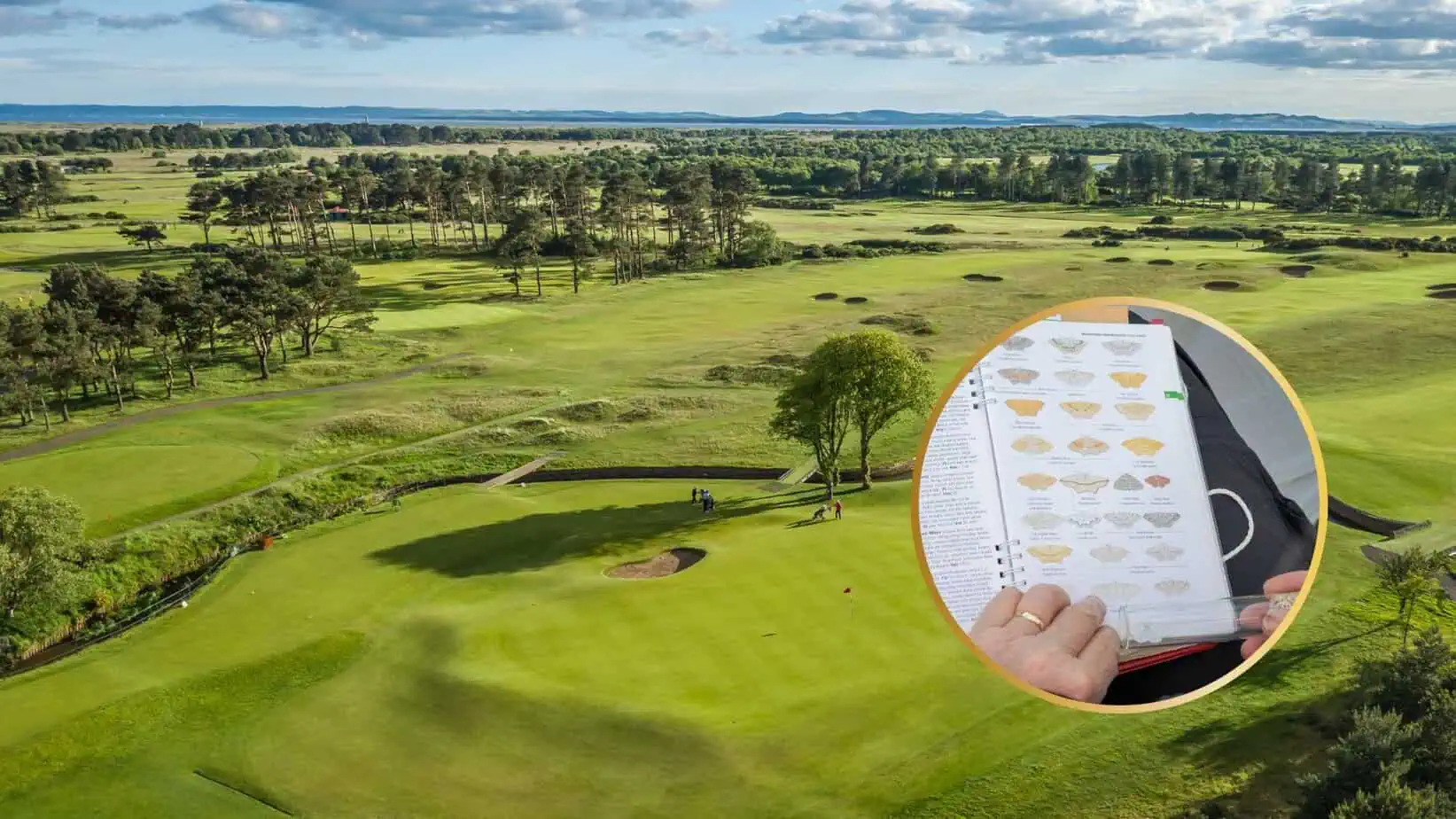
BioBlitz – this is the catchphrase for a 24-hour project designed to raise awareness of biodiversity among golfers and non-golfers alike. It is a time-limited campaign in which biodiversity experts examine a limited area for existing animal and plant species, together with interested parties of all ages. This is deliberately aimed at children or adults who are not experts in fauna and flora.
At Carnoustie Golf Links, the Scottish golf club that enjoys an international reputation as the venue for The Open, Craig Boath, the Superintendent, and Jodie Docherty, the Sustainability Manager, are experts in hosting a BioBlitz. In 2024, they carried out a BioBlitz on the course for the first time, followed by a repeat this year. The golf course, which has attracted positive attention for years with its various community projects, benefits from its good contacts with nature conservation organisations, schools and other associations.
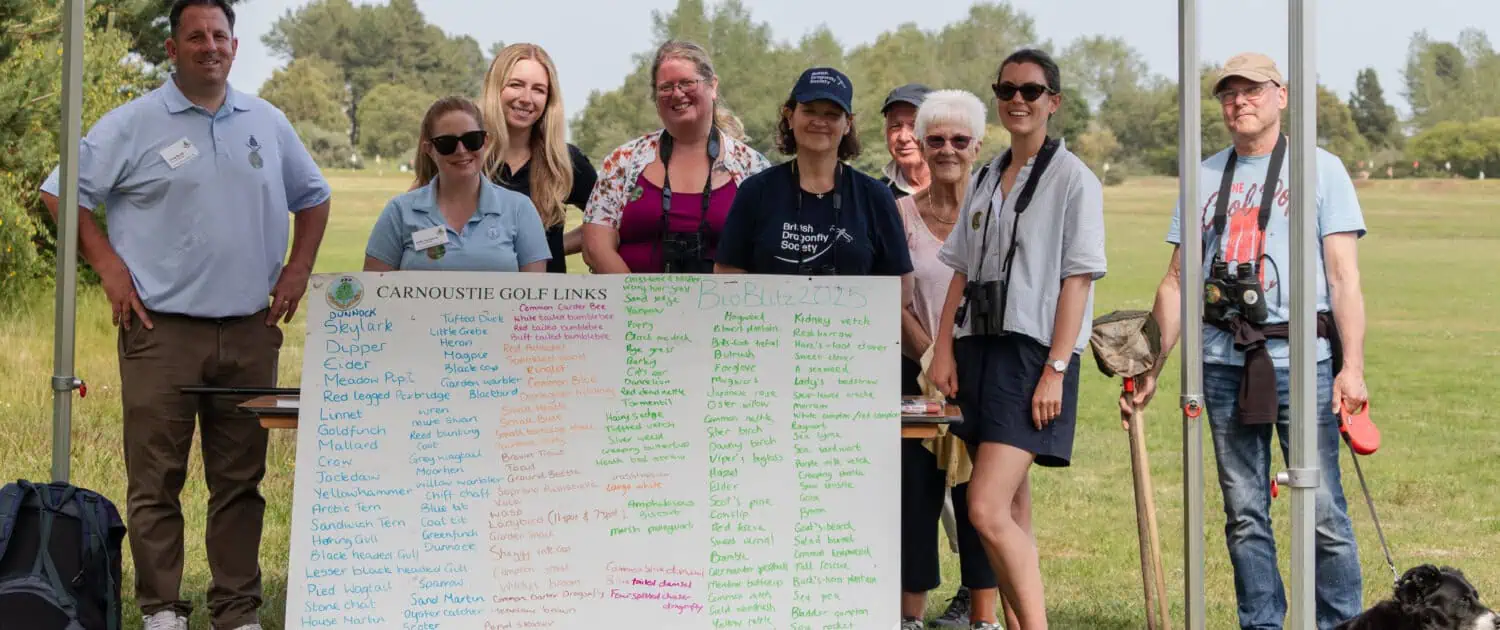
Apart from first-class golf courses, Carnoustie has a lot to offer: The BioBlitz started with dolphin-watching by the sea, included walks with environmentalists, and searching for moths and bats in the dark. You could observe dragonflies or identify bird calls.
The results this year, after 24 hours, were remarkable: 265 different species were listed. 60% of the 57 bird species are considered to be at least endangered in Scotland. “This year we had 58 participants; it would be great if we could double that number,” says Docherty, talking about the project’s objectives for the future. Just under 60 participants sounds like a manageable number for a successful golf course like Carnoustie.
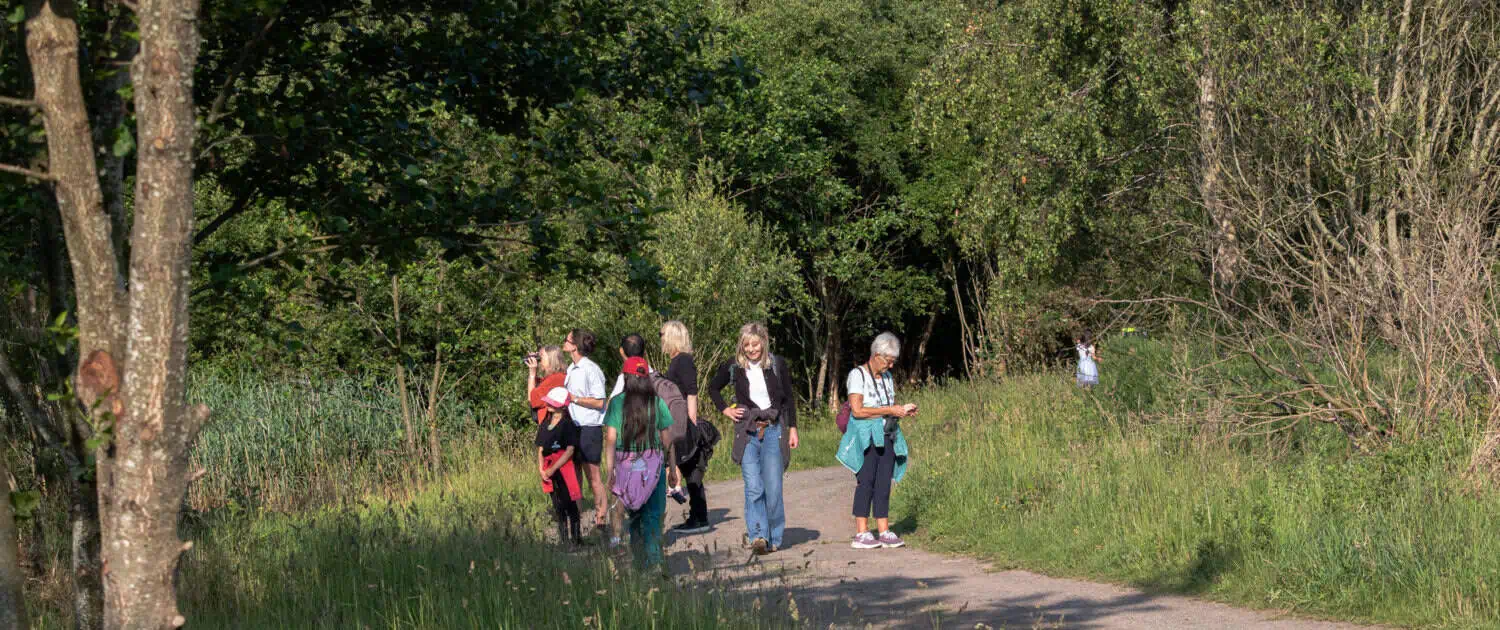
However, organizers of a BioBlitz quickly learn that it is far more difficult to get golfers or non-golfers who are not yet experts in nature conservation to participate in a day of fauna and flora observation. Appointments get in the way, the weather is bad – unlike a pre-booked and pre-paid round of golf, a nature study excursion is voluntary and therefore demands a great deal of commitment from the organizers. This is not about short-term income, the quick win-win program, but about long-term loyalty to Carnoustie’s golf courses. The clientele is not the wealthy green fee guest, but rather their own club members or the residents of Carnoustie.
“We try to do a lot with the schools,” explains Jodie Docherty. They are the future. The children will eventually work here, play golf here or do something for Carnoustie.” So they are worth every effort. Children are also an important target group for Kate Torgersen, co-owner of the Australian consultancy Environmental Golf Solutions: “If you open up the campaign to all age groups, you enable different generations, for example grandparents and grandchildren, to do something together.”
The BioBlitz actually costs very little. Drinks and snacks are available for in between meals, and the poster advertising costs a few pounds. But the experts from the nature conservation organisations who explain bats, butterflies, or plants do so on a voluntary basis. ‘Last year, we had a group of girls here who are home-schooled and were between four and twelveyears old. They were so motivated – it was really fun,’recall the two organisers, who are already planning for 2026. For Kate Torgersen, a BioBlitz only has its full effect if the preparation for the project day is not forgotten. Anyone who looks at the detailed report of the results in 2024 will realise that Boath and Dohertyare very much responsible for the success of the BioBlitz. ‘Our members and local golfersall know what we’re doing here in terms of biodiversity,’ explainsBoath. Along the three golf courses, there are a variety of different habitats that the greenkeeping team protects and develops.
For them, BioBlitz is an opportunity to show non-golfers what the golf course does for biodiversity: ‘We interact with people who have never been here before; it’s a completely new group of people whom we introduce to golf and who, thanks to BioBlitz, recognise what we do here.’
Tips for BioBlitz
• Nature conservation experts should be approached in January and February so that they can keep the date free.
• Approach local groups and different age groups: these could be teachers and pupils, nursery groups, nature conservation associations or other sports clubs, for example.
• Take school holidays into account when choosing a date. Many children and their parents are away on holiday during these periods.
• Make sure that the BioBlitz day is included in the club’s annual calendar well in advance.
• Communication about the date should not start at too short notice. Make sure to keep reminding people about the date, whether through social media, notices or direct communication.
• An app can be used during the Bio Blitz to identify plants and animals. Kate Torgersen recommends iNaturalist, for example.
• After the BioBlitz, it is essential to report on the success of the campaign. This can be done by presenting the data collected at another event for the participants or by publishing a report.